

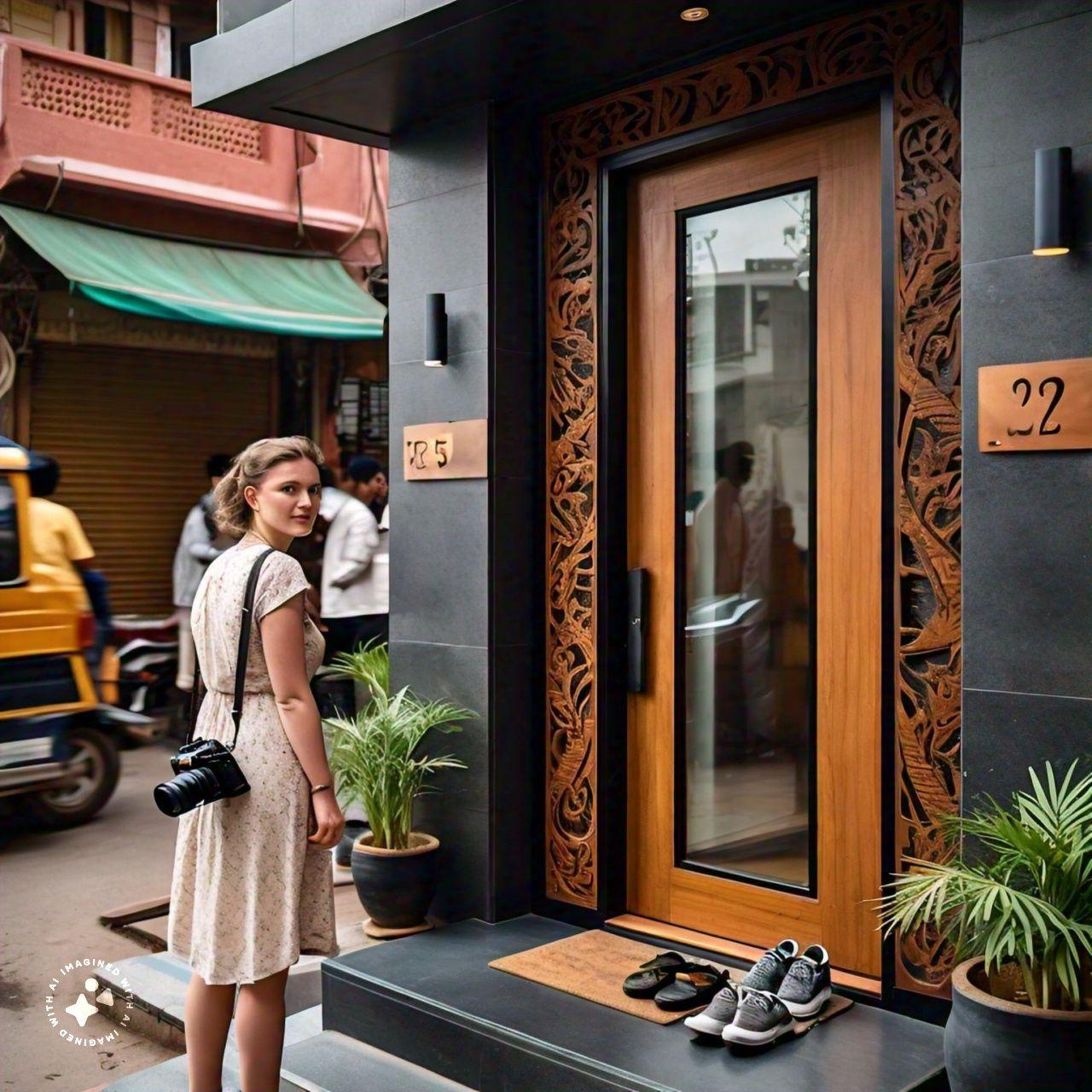
In India, removing your shoes is more than a habit — it’s a gesture of respect and cleanliness deeply rooted in culture. Here’s everything you need to know before you step out.
For travelers, knowing when and where to remove your footwear can make your journey smoother and show locals you value their traditions. Here’s a practical, engaging guide to help you navigate this custom, packed with insights and tips to enhance your India adventure.
📍 Location |
Rule |
Notable Examples |
|---|---|---|
🏠 Homes |
Must Remove |
Any Indian household — look for the shoe rack at the door |
🛕 Temples |
Must Remove |
|
🕌 Mosques |
Must Remove |
|
🪯 Gurudwaras |
Must Remove |
Golden Temple, Amritsar (foot-washing area provided) |
🏛️ Jain Shrines |
Must Remove |
All Jain temples across India |
🏪 Some Shops & Clinics |
Must Remove |
Jewelry stores in Mumbai · Ayurvedic clinics in Rishikesh |
🏯 Museums & Monuments |
Optional / Recommended |
|
🧘 Yoga Studios & Cultural Centers |
Optional / Recommended |
Shoes track dust, dirt, and germs from the bustling streets, so removing them keeps indoor spaces clean and sacred areas pure. It’s also a sign of humility and respect for the space you’re entering. Whether you’re stepping into a home or a temple, going barefoot (or in socks) shows you’re honoring local customs.
Keeping shoes on is considered rude — it brings outdoor dirt inside. Homes are private, sacred spaces in Indian culture.
Most homes have a shoe rack or designated spot near the entrance. Your host might offer slippers for indoor use.
If invited to an Indian home, remove your shoes before entering, even if your host says it’s okay. It’s a polite gesture that’ll earn you smiles.
Temples, Mosques, Gurudwaras, and Jain shrines are holy spaces where cleanliness and reverence are paramount.
Shoe removal is mandatory. You’ll find racks outside — sometimes for a small fee (₹10–20). The Golden Temple in Amritsar has foot-washing areas.
Dress modestly (cover shoulders and knees) and carry socks if you’re uneasy about going barefoot. At Delhi’s Jama Masjid, socks are handy on hot or cold days.
At Varanasi’s Kashi Vishwanath Temple, you’ll leave shoes at a counter and walk barefoot through the vibrant ghats, immersing yourself in the spiritual energy.
Small shops, clinics, or boutique stores often request shoe removal to maintain hygiene, especially in carpeted or upscale spaces.
Look for signs or a shoe rack near the entrance. Common in jewelry stores in Mumbai or Ayurvedic clinics in Rishikesh.
If you’re shopping in a local market like Delhi’s Chandni Chowk, ask politely if unsure. Locals appreciate your effort to follow their norms.
Removing shoes protects delicate flooring, ancient artifacts, or restored interiors. Not always required but often encouraged.
Some sites like Hyderabad’s Golconda Fort or the Taj Mahal, Agra may allow shoes but suggest removing them in specific areas (e.g., marble interiors).
Carry lightweight socks to stay comfortable on stone floors. At Jaipur’s City Palace museum, socks keep your feet cool while respecting the space.
At Delhi’s National Museum, you might notice locals removing shoes near rare exhibits, even if it’s not mandatory.
These spaces prioritize cleanliness for activities like yoga, meditation, or dance.
Most studios, like those in Rishikesh or Goa, have a no-shoe policy to keep mats and floors spotless.
Bring clean socks or wash your feet before class if you’ve been exploring dusty streets.
ITT Thumb Rule
When in Doubt, Take Them Off: If you’re confused about whether to keep your shoes on, observe others or ask politely: “Should I remove my shoes?” Locals will appreciate your respect and guide you.
Carry a pair of lightweight socks in your daypack. They’re a lifesaver at crowded sites like Tirupati’s Venkateswara Temple, where floors can be hot or gritty. Socks with grip soles are great for slippery marble floors at places like Udaipur’s Jagdish Temple.
💡 Tip |
What To Do |
Example |
|---|---|---|
👜 Keep Shoes Safe |
Bring a small drawstring bag to store your shoes if you’re worried about leaving them unattended. At major sites, shoe counters are reliable — keep an eye on belongings in crowded areas. |
|
👟 Mind Your Footwear Choice |
Opt for easy-to-slip-on shoes like sandals or loafers when visiting multiple sites in one day. Avoid complicated laces or boots, which slow you down at entrances. |
|
🧼 Stay Hygienic |
Keep your feet clean, especially if walking barefoot at religious sites. Carry wet wipes or hand sanitizer for a quick refresh. |
After exploring Kolkata’s Kalighat Temple barefoot, a quick wipe keeps you ready for the next stop. |
🙏 Respect Local Sensitivities |
Avoid pointing your feet at people or sacred objects, as it’s considered disrespectful. |
When sitting in a gurudwara, tuck your feet under or sit cross-legged. |
🇮🇳 Stepping Into a Shared Cultural Space
Removing shoes isn’t just about cleanliness — it’s a way to connect with India’s ethos of hospitality and spirituality. When you slip off your shoes at a homestay in Rajasthan or a temple in Tamil Nadu, you’re stepping into a shared cultural space. Locals notice and appreciate travelers who embrace these customs, often leading to warmer interactions and deeper experiences.
Your support helps us keep India Travel Tips free & up-to-date