

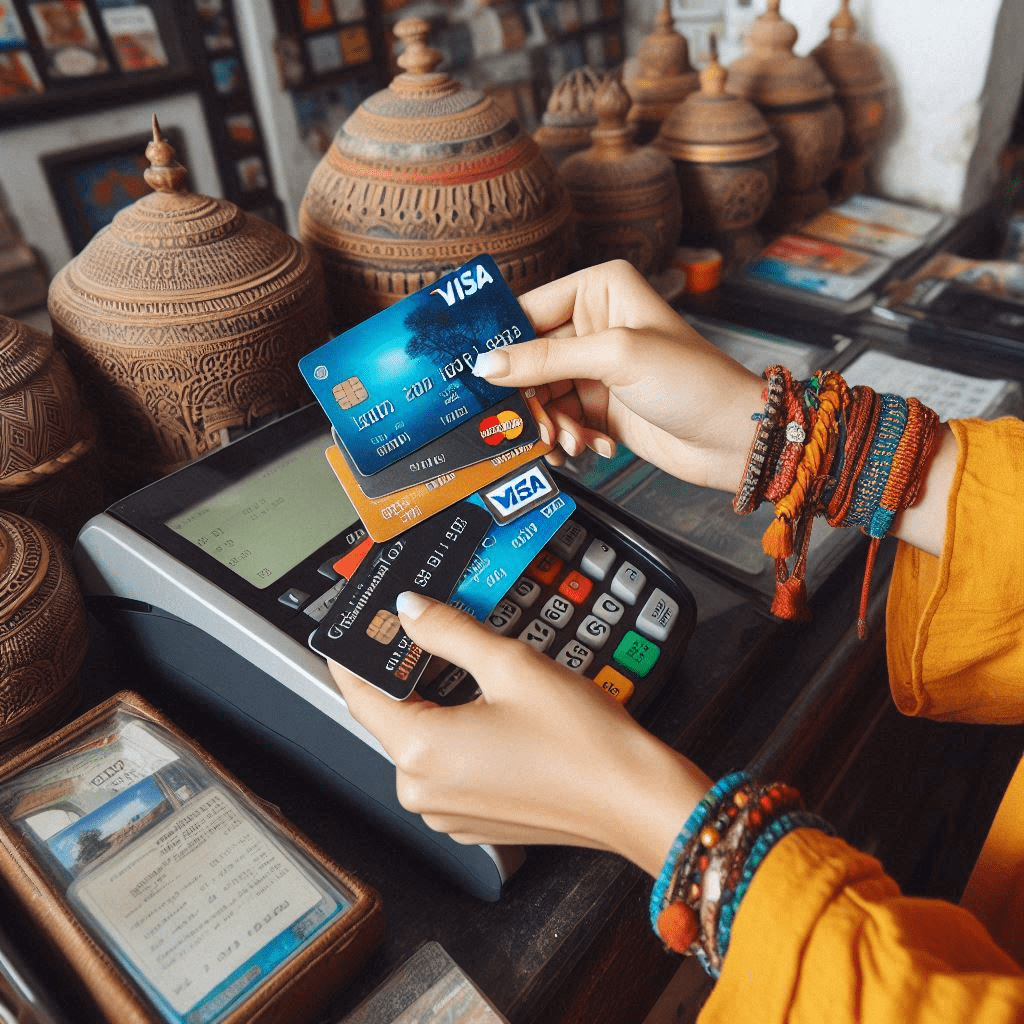
Foreign Credit Cards & Online Transactions in India
Your essential guide to navigating India’s unique payment landscape — what works, what doesn’t, and how to plan ahead.
If you’re trying to book train tickets, order food, or shop on Indian websites or apps (like IRCTC, Zomato, or Flipkart), your foreign Visa or Mastercard might not work. Why? The Reserve Bank of India (RBI) has strict security rules for online transactions to prevent fraud. These rules often block foreign-issued cards for e-commerce and app-based payments.
Platform / App |
Transaction Type |
Foreign Card Works? |
|---|---|---|
Flight / Train bookings |
❌ Often Blocked |
|
Groceries & meals |
❌ Often Blocked |
|
Online shopping |
⚠️ Sometimes Works |
|
Bus bookings |
⚠️ Occasionally |
Cash on Delivery (COD)
Many e-commerce platforms like Flipkart or Amazon.in offer COD — pay in cash when delivered. Great for physical goods but won’t work for travel bookings or digital services.
UPI-Linked Mobile Wallets
If your bank supports a debit card linked to a UPI-compatible wallet (like Google Pay or Paytm), you might be able to pay online. Check with your bank before traveling — this isn’t common for foreign banks. Setting up a local Paytm account with cash top-ups at Indian stores is another option.
Ask a Local Friend or Family
If you have contacts in India, they can make online bookings for you using their Indian card. You can reimburse them via cash or an international transfer.
Unlike online payments, foreign credit and debit cards (Visa, Mastercard, and sometimes Amex) usually work fine for in-person transactions at hotels and restaurants in tourist areas (e.g., Delhi, Mumbai, Jaipur), malls and large retail stores, and tourist attractions with card-enabled ticket counters (like the Taj Mahal or Qutub Minar).
Where |
Card Accepted? |
Notes |
|---|---|---|
🏨 Hotels (tourist areas) |
✅ Yes |
Delhi, Mumbai, Jaipur & most major cities |
🍽️ Restaurants (tourist areas) |
✅ Yes |
Mid-range and above usually accept cards |
🛍️ Malls & large retail stores |
✅ Yes |
Widely accepted |
🏛️ Tourist attractions |
✅ Yes |
Taj Mahal, Qutub Minar & similar |
🛺 Street vendors & small shops |
❌ Cash Only |
Always carry small-denomination INR |
🌄 Rural areas |
❌ Cash Only |
Card machines are rare; plan ahead |
Always carry some Indian Rupees (INR) for smaller shops, street food vendors, or rural areas where card machines are rare. ATMs are widely available in cities, but check with your bank about international withdrawal fees.
-
1
Contact your bank to confirm if your debit card supports UPI or mobile wallets in India.
-
2
Enable international transactions on your credit/debit card and notify your bank about your travel dates to avoid card blocks.
-
3
Check exchange rates and carry USD, EUR, or GBP to exchange for INR at airports or authorized money changers (avoid unofficial vendors).
- Carry INR 5,000–10,000 (about $60–120) in small denominations (₹50, ₹100, ₹500) for taxis, tips, and small purchases.
- Use ATMs at airports or bank branches for better rates and safety. Avoid standalone ATMs to reduce skimming risks.
-
1
Book flights and hotels through international platforms (like Expedia or Booking.com) before arriving to bypass Indian website restrictions.
-
2
For trains, use IRCTC’s international booking service (if available) or ask your hotel/travel agent to book tickets for a small fee.
-
3
Popular tourist bus services like RedBus may accept foreign cards occasionally — test it early.
Before your trip, check with the specific website/app (e.g., IRCTC, Ola) or your bank for the latest on foreign card acceptance. Follow travel forums on platforms like Reddit or TripAdvisor for real-time traveler tips.
India’s digital payment system is advanced but tailored for local users. By planning ahead, you can avoid frustrations like failed bookings or scrambling for cash. Whether you’re exploring the bustling markets of Delhi, savoring street food in Mumbai, or marveling at Rajasthan’s forts, these payment tips ensure you spend less time worrying about money and more time soaking in India’s magic.
- Carry cash (INR) and a foreign card for in-person payments
- Explore UPI or prepaid cards for online payments
- Book key travel services through international sites before arriving
- Have a local contact or travel agent as a backup for bookings
Your support helps us keep India Travel Tips free & up-to-date