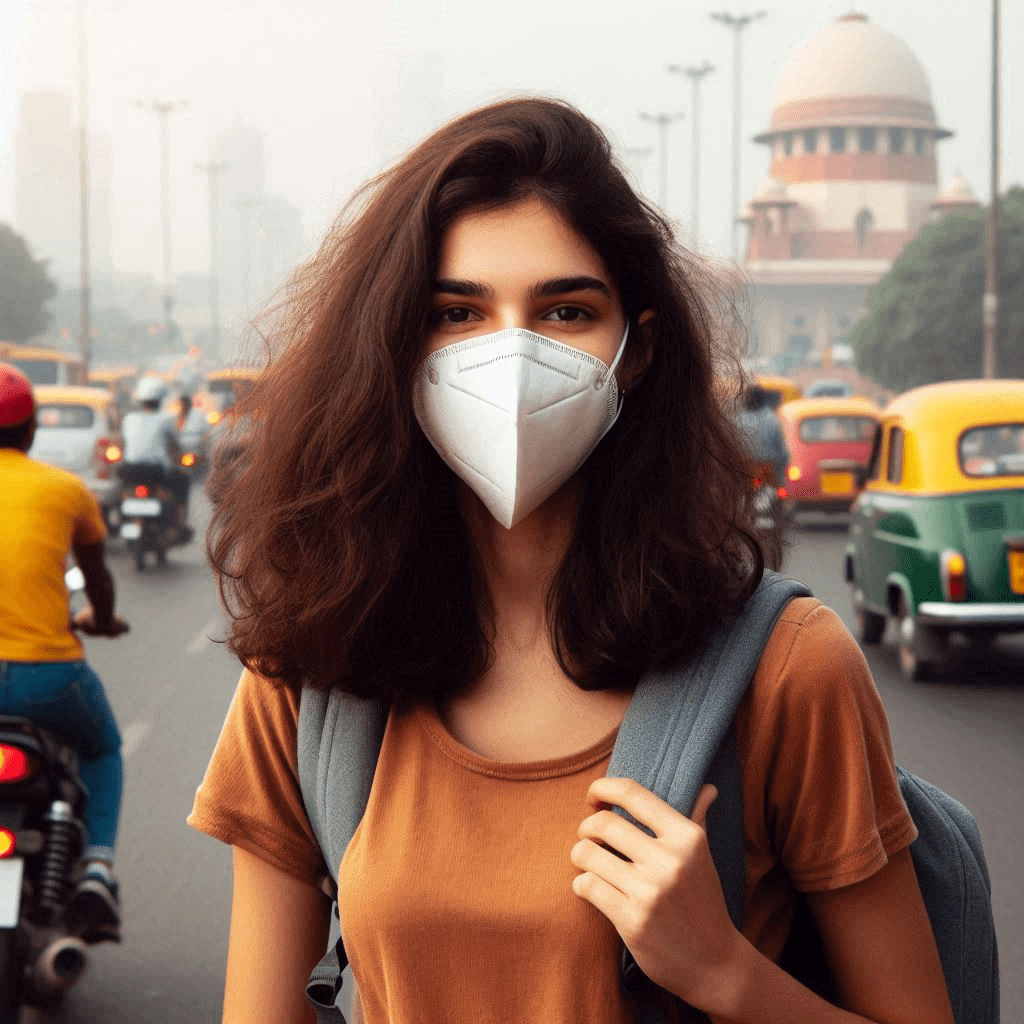
⚠️ Winter Alert: Nov – Feb
Many of India’s vibrant cities are packed with culture, history, and flavors, but they often come with a challenge: air pollution. Especially in winter (November to February), urban air quality can dip, potentially affecting your health, particularly if you have asthma or other respiratory conditions. Don’t let this deter your trip—here’s a practical guide to breathe easier and enjoy India to the fullest.
💨 Why Air Pollution Is A Concern
⚠️ Health Impact
Poor air quality in India’s major cities can cause throat irritation, coughing, or worsen conditions like bronchitis. Pollution levels fluctuate, with winter bringing thicker smog due to cooler temperatures, vehicle emissions, and crop burning in nearby regions. But with the right steps, you can minimize exposure and focus on exploring India’s temples, markets, and cuisine.
📅 Air Quality by Season
🌫️
Winter
November – February
Worst air quality. Thick smog, crop burning, cold inversions trap pollutants.
🌸
Spring & Autumn
Mar – May / Sep – Oct
Moderate. Drier air but dust can still be elevated in northern plains.
🌧️
Monsoon
June – September
Best air quality. Rain washes pollutants away. Check local flood/weather forecasts.
📊 Understanding the AQI Scale
Good
0–50
Moderate
51–100
Unhealthy*
101–150
Unhealthy
151–200
Very Unhealthy
201–300
Hazardous
301+
ℹ️ *Sensitive Groups
AQI 101–150 is labeled “Unhealthy for Sensitive Groups” — if you have asthma, bronchitis, heart conditions, or are elderly/pregnant, treat this level with extra caution.
🏙️ Air Quality by City Type
🚨 Delhi — Often Very High
🚨 Agra — Often High
⚡ Jaipur — Moderate
⚡ Hyderabad — Moderate
✅ Chennai — Coastal, Cleaner
✅ Shimla — Hills, Much Cleaner
✅ Rishikesh — Clean Mountain Air
✅ Munnar — Very Clean
✅ Darjeeling — Very Clean
🛡️ Practical Steps to Stay Safe
Step 01
📱
Check Air Quality Before You Go
Stay informed with real-time air quality data. Apps and websites like AQICN (aqi.in) or the US Embassy’s Air Quality Index (airnow.gov) provide city-specific updates for places like Delhi, Bangalore, or Agra. Download apps like Plume Labs or AirVisual for on-the-go alerts.
💡 Coastal & hill cities have much cleaner air — plan accordingly
Step 02
😷
Wear a High-Quality Mask
A good mask is your best defense outdoors. Skip cloth masks and opt for an N95 or N99 mask, which filters out fine particulate matter (PM2.5). Brands like Vogmask or Cambridge Masks are reusable and comfortable for long days of sightseeing. Carry a spare in your daypack for busy markets or rickshaw rides.
Step 03
🕐
Time Your Adventures Smartly
Air pollution often peaks midday or during rush hour. Plan outdoor activities like visiting the Taj Mahal or strolling through Old Delhi for early mornings or late evenings, when air quality is typically better. Monsoon season (June to September) can also bring cleaner air due to rain, but always check local forecasts.
Step 04
🌿
Find Clean Air Zones
Book hotels or guesthouses with air purifiers — many upscale and mid-range properties in cities like Jaipur or Hyderabad offer them. Spend downtime in green spaces like Lodhi Garden in Delhi or Cubbon Park in Bangalore, where trees help filter the air. Malls, cafes, and museums with air conditioning are great indoor escapes on bad air days.
😷 Which Mask Should You Choose?
🚫
Cloth / Surgical Mask
Does NOT filter fine PM2.5 particles. Avoid relying on these for air pollution protection.
✅
N95 Mask
Filters ≥95% of airborne particles including PM2.5. Good protection for daily outdoor sightseeing.
⭐
N99 / Vogmask / Cambridge
Filters ≥99% of particles. Reusable, comfortable for long days. Best choice for heavy pollution days.
📲 Recommended Air Quality Apps & Tools
App / Website |
Best For |
Platform |
|
Real-time city-specific AQI data for India |
🌐 Web + App |
|
Reliable AQI readings at US Embassy monitoring stations |
🌐 Web |
|
On-the-go AQI alerts, live map, forecasts |
📱 iOS + Android |
|
Hyperlocal air quality forecasts & personal exposure tracking |
📱 iOS + Android |
🩺
Listen to Your Body: If you feel symptoms like a scratchy throat, watery eyes, or shortness of breath, take a break in an air-conditioned space. Pharmacies in India are well-stocked, but carry a small supply of over-the-counter remedies like antihistamines or cough drops.
🎒
Pack for Comfort: Bring electrolyte packets or rehydration salts (like Oral Rehydration Solution, widely available in India) to stay hydrated, especially if you’re sampling street food or traveling in hot climates. A small bottle of hand sanitizer and a reusable water bottle with a filter are also handy.
🏔️
Explore Beyond Cities: Rural areas and hill stations like Rishikesh, Munnar, or Darjeeling often have cleaner air. Combine urban adventures with nature escapes for a balanced trip.
✅ Quick Health Checklist Before You Head Out
✅ Daily Checklist
Check the AQI for today on
AQICN or
IQAir 📱 | Pack your N95/N99 mask 😷 | Carry hand sanitizer 🧴 | Have antihistamines / cough drops handy 💊 | Plan outdoor activities for early morning or evening 🌅 | Know the nearest air-conditioned refuge (mall, museum, café) 🏬
💡 Don’t Forget
Monsoon season (June–September) is the best time for clean air in most cities. If your travel is flexible, this is a great reason to visit during the rains — just pack a light waterproof layer!