

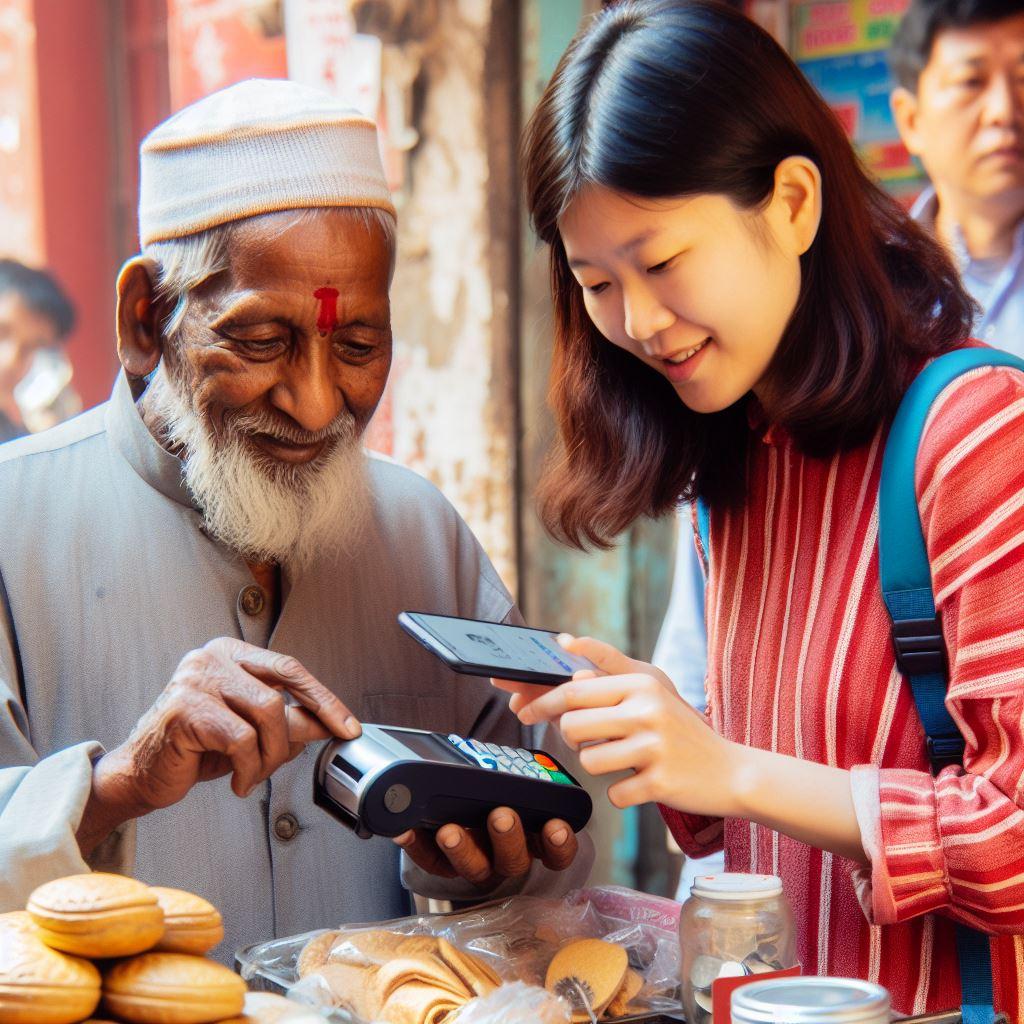
India’s payment landscape blends traditional cash with cutting-edge digital options, making it easy to handle transactions whether you’re bargaining at Delhi’s Chandni Chowk markets, booking a cab in Mumbai, or dining in Kerala’s backwaters. As a traveler, understanding these options helps you save money, avoid hassles, and stay secure. This guide covers key payment methods, with practical details, insights, and tips to maximize your trip’s efficiency — including fees, compatibility, and safety based on real traveler experiences.
🗺️ Jump to a section
💳 Payment Options for Tourists in India
Here’s a breakdown of the main ways to pay, including pros, cons, and added insights to help you choose wisely.
- Essential for small purchases like street food (e.g., ₹20 for a chai), local markets, auto-rickshaws, and rural areas
- In places like Varanasi ghats or Rajasthan villages, cash is often the only option
- Carrying large amounts can be cumbersome — notes come in denominations from ₹10 to ₹2,000
- Theft risk is higher in crowded spots like trains or festivals
- Exchange currency at airports or authorized bureaus for better rates; avoid street exchangers to prevent scams
- India is increasingly cashless, but keep ₹5,000–10,000 handy for emergencies, especially in smaller denominations (₹20, ₹50, ₹100)
- Withdraw from ATMs like YES Bank or HDFC for lower fees (typically ₹200–300 per transaction for foreign cards)
- ATM limits are often ₹10,000–20,000 per withdrawal
- Works at medium to large establishments — hotels, restaurants, shops — for transactions over ₹100
- Common in cities like Bengaluru or Goa, but less so in small towns
- May not support online transactions on Indian platforms due to OTP requirements tied to local phone numbers
- Vulnerable to skimming or cloning at unsecured ATMs
- Foreign transaction fees typically 1–3% + ATM charges
- e.g., using a UK debit card might add £2–5 per withdrawal
- Opt for chip-and-PIN enabled cards on Visa or Mastercard networks for smoother in-person use
- Discover cards are gaining acceptance but still limited
- Widely used at malls, hotels, tourist sites like Taj Mahal ticket counters
- Preferred for larger spends like flights or tours
- Online payments can fail without local OTP setup
- Risk of fraudulent charges if lost — report immediately to your issuer
- Foreign transaction fees 1–3%, plus potential dynamic currency conversion surcharges
- Visa, Mastercard, RuPay are most reliable; Amex and Diners Club mainly at high-end venues
- Use for rewards points on travel expenses — monitor statements via your bank’s app
- Treated like debit cards at most places, including ATMs and shops
- Load with INR before or during your trip
- May not work for all online transactions, similar to foreign cards
- Often lower fees than regular cards (e.g., no foreign transaction charges) and better exchange rates
- Lock in rates to avoid fluctuations
- Popular options like Thomas Cook or Omni Card allow multi-currency loading
- Reload via app using your home debit/credit card
- Ideal for budgeting — track spends easily and replace if lost without affecting your main accounts
📱 UPI (Unified Payments Interface) Wallets
UPI has transformed how India pays — scan QR codes at street vendors, taxis, shops, or online. It handles seamless change without cash hassles and works nearly everywhere, from Mumbai local trains to Himalayan tea stalls.
🏦 UPI Providers Designed for Foreign Tourists
Designed for foreign nationals; upload passport and visa for setup. Supports payments at 55 million+ merchants across India.
App for foreigners; quick registration with passport. Smooth onboarding for tourists visiting India.
Tailored for tourists and NRIs; pay at markets, cafes, and offbeat spots without currency issues.
UPI for foreign nationals; easy top-up with cards. Great for short trips with minimal paperwork.
Available at airports or hotels via partners like CheqUPI. Load funds, pay via UPI, skip the bank hassle. Joining fees ₹999–₹1,999 (~$12–24 USD) + 2–3% on top-ups. Great for seamless integration, but refunds can be a pain.
📊 Quick Comparison: All Payment Methods
Method |
Street & Markets |
Hotels & Big Stores |
Online (Apps) |
ATM Withdrawals |
Fees |
Setup Needed? |
|---|---|---|---|---|---|---|
💵 Cash |
✅ Best |
✅ Yes |
❌ No |
✅ Yes |
Exchange fees |
None |
🏦 Debit Card |
❌ Limited |
✅ Yes |
⚠️ OTP issue |
✅ Yes |
1–3% FX fee |
None |
💳 Credit Card |
❌ Limited |
✅ Yes |
⚠️ OTP issue |
⚠️ Fees |
1–3% FX fee |
None |
🌐 Travel / Forex Card |
⚠️ Some |
✅ Yes |
⚠️ Limited |
✅ Yes |
Low / None |
Preload required |
📱 Tourist UPI |
✅ Best |
✅ Yes |
✅ Yes |
❌ No |
~1–2% top-up |
App + passport |
✅ Recommended Payment Strategy
Mix methods for flexibility and security — here’s a practical approach tailored for tourists:
-
Small in-person transactions (street food, souvenirs under ₹500) Use cash or UPI for quick, no-fee payments. UPI shines at markets like Kolkata’s New Market.
-
Medium / large in-person transactions (hotel stays, tours over ₹1,000) Debit/credit cards if accepted — confirm first to avoid surprises.
-
Online transactions (flight bookings, app-based services) UPI wallets are reliable where cards fail due to OTP issues.
-
Inform your bank before traveling Notify them of your travel dates and itinerary to prevent card blocks — e.g., “Traveling to India from Oct 15–30.”
-
Consider a travel/forex card Competitive rates and low fees on ATMs and shops — great for budgeting.
-
Explore Tourist UPI (if eligible) Essential in cities like Delhi or Hyderabad — download a tourist app on arrival.
-
Always ask before using a card Check acceptance, minimum transaction amounts (often ₹100–500), and any surcharges.
-
Withdraw cash strategically Choose ATMs with your card’s logo (e.g., Mastercard for Maestro). Avoid weekends when machines might run dry. Withdraw larger amounts less frequently to cut costs — e.g., ₹20,000 at once.
-
Keep receipts Track expenses for budgets or disputes — scan them into apps like Expensify.
-
Carry a backup card in a separate wallet For long trips, use multi-currency apps like Wise for transfers to your UPI wallet, saving on fees. In rural areas like Ladakh, stock up on cash in advance as ATMs are scarce.
⚠️ Additional Considerations for Foreign Travelers
Foreign credit/debit cards are often incompatible with online payments due to India’s OTP requirement via registered phone numbers. In-person chip-and-PIN transactions work fine on Visa, Mastercard, or Discover. Amex and Diners Club are limited to upscale spots.
Use ATMs inside banks or malls for safety. Networks like Cirrus or Plus minimize fees. Withdraw larger amounts less frequently to cut costs — e.g., ₹20,000 at once rather than multiple small withdrawals.
Watch for card skimmers at ATMs (check for loose parts) or overcharging at shops. Use contactless payments where possible to minimize card exposure.
1 USD ≈ ₹84 — check apps like XE for live rates. Airports offer poor rates — exchange minimal there and use banks or apps like Wise for better deals.
Apps like Google Pay or PhonePe work if you link a local SIM, but for short trips, stick to tourist-specific UPI apps like Mony, NamasPay, or CheqUPI.
🌄 Why Master Payments in India?
Getting payments right lets you focus on the experiences — hiking in the Himalayas, tasting Hyderabadi biryani, or exploring Goa’s beaches — without money worries. With UPI’s rise, going digital is easier than ever for tourists, but a balanced approach ensures you’re covered everywhere.
Your support helps us keep India Travel Tips free & up-to-date