

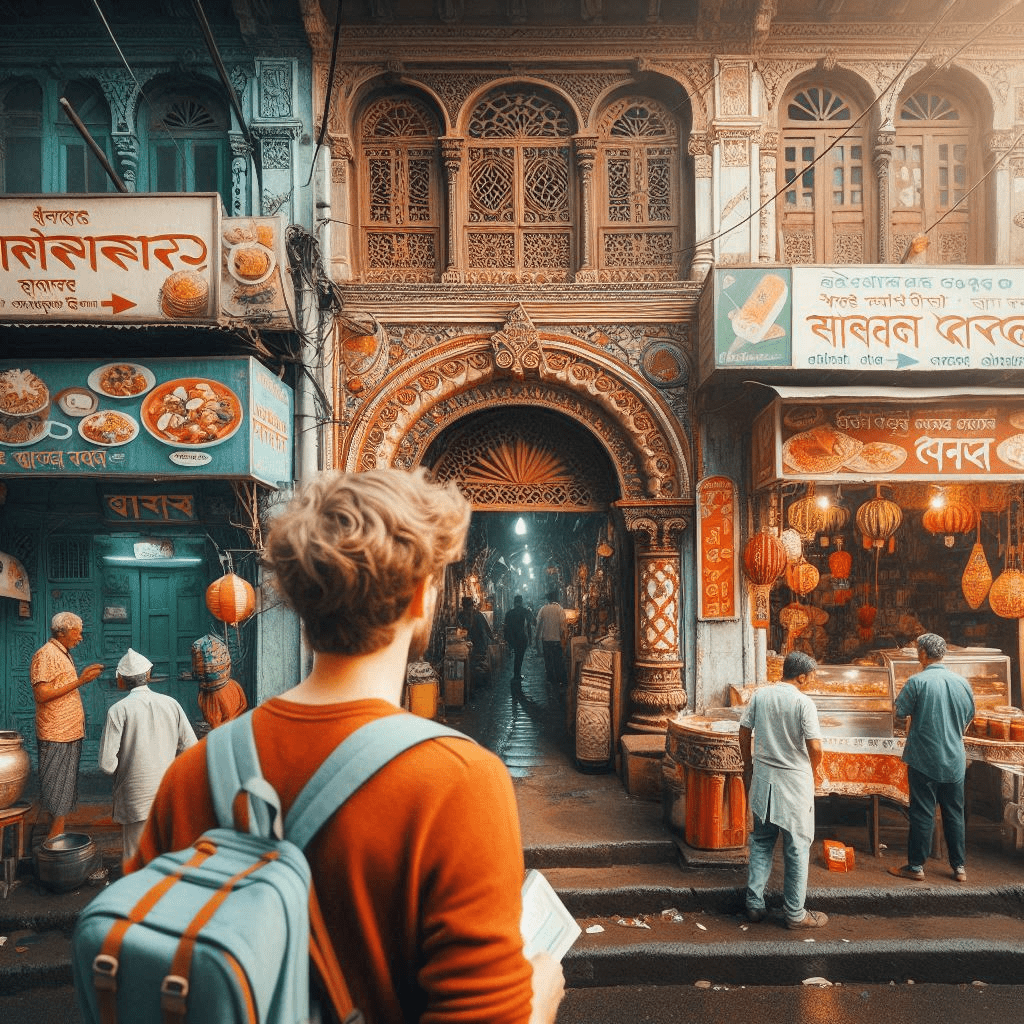
India’s food scene is a vibrant mix of flavors, from spicy street-side chaat to rich, aromatic curries. With such a vast culinary landscape, it’s easy to feel overwhelmed. This guide is packed with practical tips and insights to help you discover delicious food across India, whether you’re exploring bustling cities or quiet villages.
🧭 Section |
What You’ll Learn |
|---|---|
Finding the Perfect Spot | Apps, guides, social media, locals & instincts |
Vegetarian Cuisine | India’s amazing meatless options |
Being Adventurous | Regional specialties to try |
Spice Management | How to handle the heat 🌶️ |
Payments & Cash | How to pay on the go |
Hygiene & Safety | Stay safe while eating out |
Regional Diversity | State-by-state food highlights |
Hydration & Safety | Water & drink tips |
Finding the Perfect Spot
Use Online Resources
Food delivery apps like Zomato and Swiggy are your go-to tools for discovering restaurants. Filter by location, cuisine (e.g., North Indian, South Indian, or international), and budget. User reviews and ratings give you a real sense of what to expect—focus on recent ones for accuracy. Google Maps is another gem: enable location sharing, search “restaurants near me” or specific cuisines like “Bengali food,” and check photos and reviews. For example, in Delhi, you might find hidden gems like Karim’s for Mughlai cuisine or Haldiram’s for snacks.
Leverage Guidebooks & Travel Apps
Apps like TripAdvisor and guidebooks such as Lonely Planet list top-rated restaurants and eateries. They often highlight places with authentic regional dishes, like dosa in Chennai or pav bhaji in Mumbai. These resources also note dietary options, such as vegan or Jain-friendly spots.
Tap into Social Media
Instagram, YouTube, and food blogs are treasure troves for finding trendy and authentic spots. Search hashtags like #DelhiEats, #MumbaiStreetFood, or #HyderabadBiryani to see what’s buzzing. Follow local food influencers like Rocky and Mayur or Street Food India for insider tips.
Ask Your Hotel Concierge
Your hotel’s concierge or staff can point you to local favorites, from upscale restaurants to hole-in-the-wall eateries. They can also recommend places that cater to dietary restrictions, like gluten-free or no-onion/no-garlic meals for Jain diets.
Talk to Locals
Locals are your best bet for authentic recommendations. Chat with your tour guide, cab driver, or even shopkeepers. For example, in Kolkata, a local might direct you to Oh! Calcutta for Bengali fish curries or a street stall for puchka (pani puri).
Spot Local Favorites
Restaurants packed with locals are usually a safe bet for quality and authenticity. A busy dhaba on a highway or a crowded street stall serving vada pav in Mumbai signals fresh, tasty food. Avoid places with empty tables or overly pushy staff.
Steer Clear of Tourist Traps
Restaurants near major attractions like the Taj Mahal or Gateway of India often prioritize convenience over quality. Venture a few streets away for better food at better prices. For instance, in Jaipur, explore Johari Bazaar for local snacks instead of eating near Hawa Mahal.
Join a Food Tour
Food tours in major cities are a fantastic way to sample regional specialties. Guides introduce you to dishes like kebabs in Old Delhi or misal pav in Pune, often at hidden gems. Book through platforms like BookMyShow or local operators like Delhi Food Walks.
Trust Your Instincts
If a place feels off—whether it’s unclean tables or an overly aggressive menu-pusher—walk away. India’s food scene is vast, and there’s always another spot nearby.
Bonus Tips for a Great Food Experience
India is a vegetarian paradise, with over 30% of its population meat-free. Try dishes like paneer tikka, dal makhani, or aloo gobi for bold flavors. Even non-vegetarians will love South Indian masala dosa or Rajasthani dal baati churma.
Step out of your comfort zone and try regional specialties. Sample litti chokha in Bihar, dhokla in Gujarat, or appam with stew in Kerala. You might discover a new favorite!
Indian food can pack a punch. If you’re spice-sensitive, request “mild” or “no chili” when ordering. Many restaurants adjust spice levels, especially in urban areas.
While urban restaurants often accept cards or UPI payments (like Paytm or Google Pay), street vendors and smaller eateries prefer cash. Keep small denominations (₹50–₹200) handy.
For street food, choose vendors with high turnover to ensure freshness. Look for clean cooking surfaces and proper food storage. Avoid pre-cut fruits or raw salads unless you’re sure of the water quality.
Explore Regional Diversity
India’s cuisine varies dramatically by region. Research regional specialties before you travel to make the most of your trip.
📍 Region / State |
🍽️ Must-Try Dishes |
🍬 Regional Sweet |
|---|---|---|
Punjab (North India) | Butter chicken, Naan, Sarson da saag | Jalebi |
Goa | Fish curry with rice, Prawn balchão | Bebinca |
Hyderabad (Telangana) | Biryani, Haleem, Nihari | Double ka meetha |
West Bengal / Kolkata | Bengali fish curries, Puchka (pani puri) | Rosogolla |
Karnataka | Masala dosa, Bisi bele bath | Mysore pak |
Kerala | Appam with stew, Fish moilee | Payasam |
Gujarat | Dhokla, Thepla, Khandvi | Shrikhand |
Bihar | Litti chokha, Sattu paratha | Khaja |
Rajasthan | Dal baati churma, Gatte ki sabzi | Ghewar |
Kashmir | Kashmiri pulao, Rogan josh, Wazwan | Phirni |
Mumbai (Maharashtra) | Pav bhaji, Vada pav, Misal pav | Modak |
Tamil Nadu / Chennai | Dosa, Idli, Chettinad curry | Pongal (sweet) |
Carry bottled water (check the seal) to stay hydrated, especially when eating spicy food. Avoid tap water and ice in drinks unless you’re at a reputable restaurant.
Street Food Hygiene Checklist
- Vendor is using gloves and clean utensils
- Food is freshly cooked in front of you — not pre-made
- High foot traffic at the stall (freshness indicator)
- No pre-cut fruits or open raw salads
- Bottled / sealed water is used for preparing food
- Clean cooking surfaces visible
- Proper ingredient storage (covered, not exposed to flies)
Common Payment Options in India
🍽️ Why India’s Food Scene is Unmissable
India’s cuisine is a reflection of its diversity—every region, city, and even street has something unique to offer. From the tangy pani puri of Mumbai to the fragrant Kashmiri pulao, your taste buds are in for a treat. By using these tips, you’ll not only eat well but also connect with India’s culture through its food.
Happy eating, and welcome to India’s culinary adventure! 🇮🇳
Your support helps us keep India Travel Tips free & up-to-date