

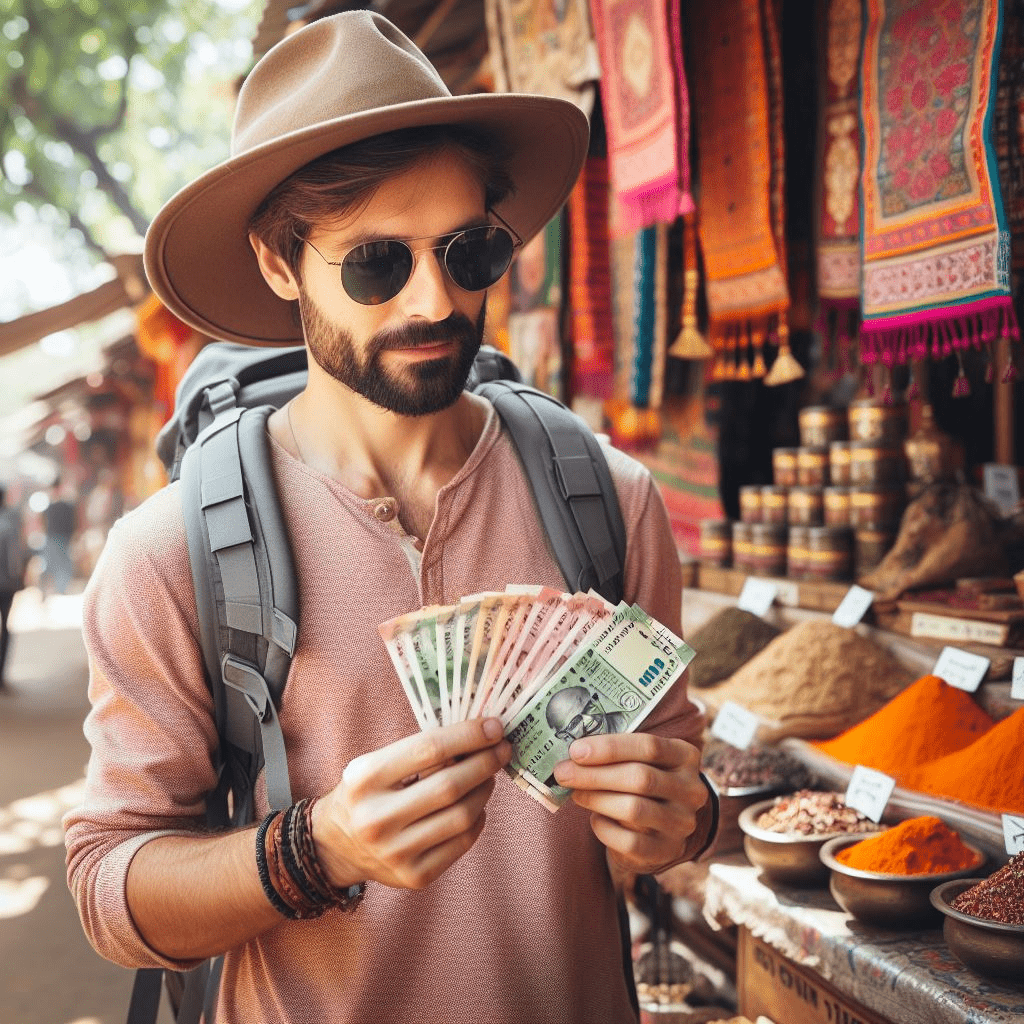
Understanding how to manage money in India is key to a smooth and enjoyable trip. The Indian Rupee (INR) is the official currency, and knowing its ins and outs will help you navigate markets, restaurants, and transportation with ease. This guide provides practical insights and tips to maximize your travel experience in India.
Type |
Denominations |
Notes |
|---|---|---|
📄 Banknotes |
₹10, ₹20, ₹50, ₹100, ₹200, ₹500 |
Commonly used. ₹1 & ₹2 notes exist but are rare, mostly replaced by coins. |
🚫 ₹2000 Note |
₹2000 Discontinued 2023 |
No longer legal tender. |
🪙 Coins |
₹1, ₹2, ₹5, ₹10 |
Widely circulated. |
🔎 Paise Coins |
50p, 25p |
Almost obsolete and rarely seen. |
Always have a variety of notes and coins, especially smaller denominations (₹10, ₹20, ₹50). These are essential for street vendors, local buses, auto-rickshaws, and small shops where exact change is often expected.
Smaller shops, street vendors, and rural areas often refuse ₹500 notes due to a lack of change. In some states, even ₹10 coins may be rejected despite being legal tender, so prioritize notes over coins for smoother transactions.
Small denomination notes and coins are often in short supply. Don’t be surprised if shopkeepers or vendors offer candy, gum, or small items as change instead of coins. Politely ask for cash change if you prefer.
You’ll find ATMs in cities, towns, and tourist hubs. However, rural areas may have limited access. Check with your bank about international withdrawal fees and ensure your card is enabled for overseas use. Look for ATMs from reputable banks like SBI, HDFC, or ICICI for reliability.
India’s Unified Payments Interface (UPI) is a game-changer. Apps like Google Pay, PhonePe, or Paytm allow fast, secure mobile payments at shops, restaurants, and even with street vendors. To use UPI, you’ll need an Indian bank account or a linked international card (some services like Paytm support this). Setting it up can save you from carrying cash and dealing with change shortages.
Major hotels, restaurants, and malls in urban areas accept Visa, Mastercard, and sometimes Amex. However, smaller establishments and rural areas often operate on cash only, so always carry some rupees.
Avoid exchanging money at airports or hotels due to high fees and poor rates. Instead, visit authorized exchange counters, banks, or use ATMs. Always compare rates and check for hidden fees. Carry a small amount of USD, EUR, or GBP as a backup for emergencies, as these are widely accepted for exchange.
Tipping is common in India, especially in restaurants (5-10% of the bill), for drivers, or hotel staff (₹50-₹100). Having small notes like ₹20 or ₹50 makes tipping easier.
Counterfeit currency is rare but possible. Check notes for security features like watermarks or the RBI logo, especially when receiving change in busy markets.
The Reserve Bank of India (RBI) oversees the issuance and regulation of the Indian Rupee. All currency exchanges should be done through RBI-authorized dealers to avoid scams.
When exchanging money or making purchases, ask for a receipt. This is crucial for tracking expenses and resolving disputes, especially at exchange counters or larger stores.
Many experiences in India, like street food, local markets, or entry fees to smaller attractions, are cash-only. Budget around ₹1000-₹2000 per day for small expenses, depending on your travel style.
For added convenience, consider a prepaid forex card (available from banks or services like Thomas Cook). These cards are safer than carrying large amounts of cash, widely accepted, and can be loaded with INR before your trip.
In tourist-heavy areas like Delhi, Mumbai, or Jaipur, be cautious of unofficial money changers offering “great rates.” Stick to authorized counters and always count your money before leaving the counter.
🌟 Why This Matters for Travelers
India’s vibrant markets, bustling streets, and diverse experiences often rely on cash for quick, small transactions. From savoring street-side chai to haggling for souvenirs in a local bazaar, having the right denominations and payment options ensures you can fully immerse yourself without hassle. Digital payments like UPI are increasingly popular, even in smaller towns, making India a unique blend of traditional cash-based and modern digital economies. By preparing for both, you’ll navigate the country with confidence and focus on creating unforgettable memories.
Your support helps us keep India Travel Tips free & up-to-date