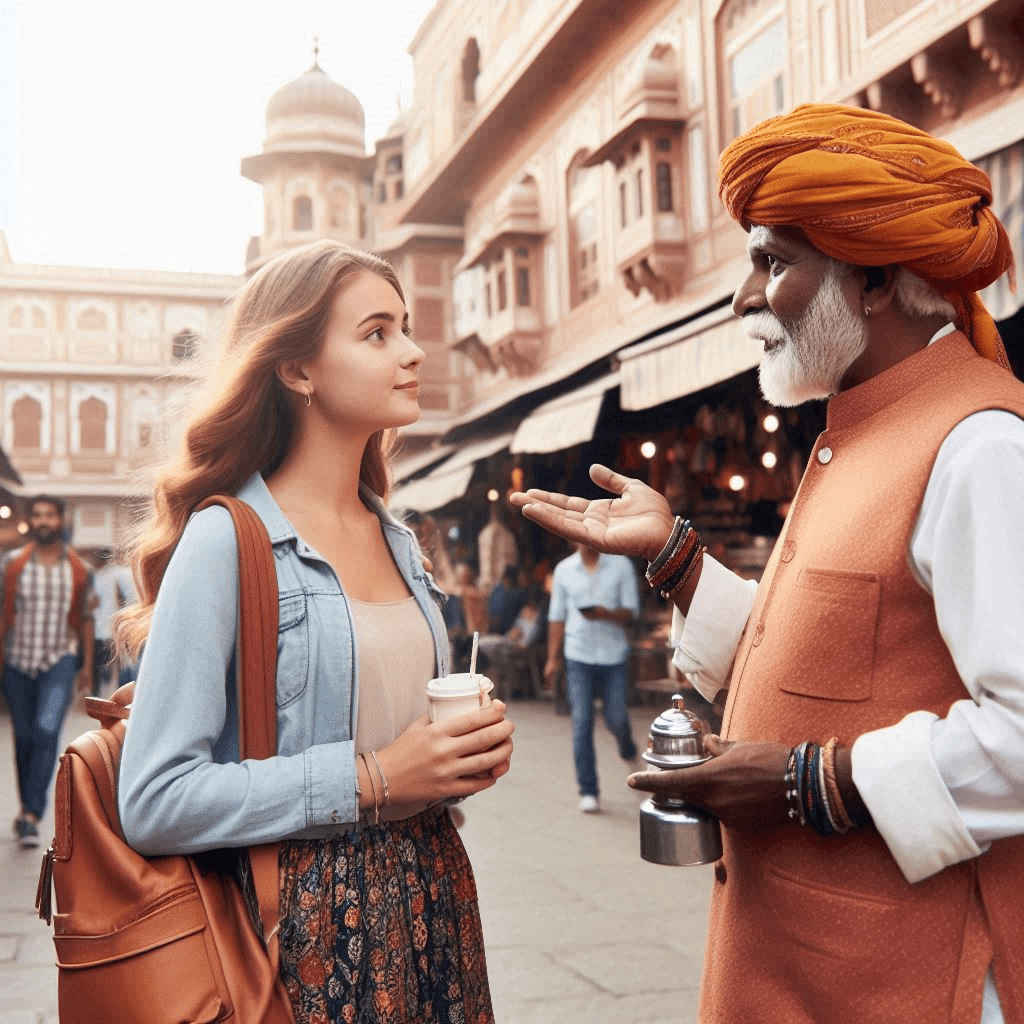
Mastering the art of Indian body language can make your travel experience richer, help you connect with locals, and avoid unintentional missteps. This guide breaks down key gestures, expressions, and cultural nuances for travelers, with practical insights to help you navigate India confidently.
Greetings: Start with Respect
Namaste
The iconic Indian greeting. Press your palms together at chest level, fingers pointing upward, and offer a slight bow. It’s a versatile gesture used to say hello, goodbye, or show respect. You’ll see it everywhere — from bustling Delhi markets to serene Kerala villages. Practice it to instantly signal politeness.
Handshake
Common in cities like Mumbai or Bengaluru, especially in business settings or with younger crowds. Keep it gentle — a firm grip might come off as aggressive. In rural areas, stick to Namaste unless someone offers a handshake first.
Head Movements: Decoding the Wobble
Head Wobble
The famous Indian head wobble — a side-to-side tilt — can mean agreement, acknowledgment, or “I’m listening.” It’s not a clear yes or no, so pay attention to context. For example, a waiter wobbling while you order might just be confirming they’ve heard you.
Head Shake
A side-to-side shake doesn’t always mean “no.” It can emphasize a point, show contemplation, or even mild disagreement. Watch for facial cues to clarify the intent.
Hand Gestures: Speak Without Words
👋 Gesture |
💬 Meaning |
📍 Example |
|---|---|---|
Waving Hand (Palm Out) |
Invites someone to come closer — not goodbye |
A shopkeeper in Jaipur’s Johari Bazaar beckoning you to their stall |
Shaking Open Hand |
Frustration, disbelief, or “hurry up!” |
A rickshaw driver during a long haggle session |
Index-finger Pointing |
Considered rude — avoid pointing at people |
Use an open palm or your chin instead when asking directions in Varanasi‘s narrow lanes |
Facial Expressions: Read the Mood
Smiling
Indians smile frequently, often as a sign of politeness or hospitality, not just happiness. A street vendor in Kolkata might smile while bargaining, even if they’re firm on price. Return the smile to keep things friendly.
Head Tilt with Raised Eyebrows
This playful gesture signals curiosity, teasing, or “what’s going on?” You might see it in lively conversations at a chai stall in Rajasthan.
Posture & Touch: Navigating Personal Space
Personal Space
Indians often stand closer than Westerners might expect, especially in crowded places like Delhi’s Chandni Chowk or Chennai’s Marina Beach. Don’t take it personally — it’s a cultural norm, not an invasion.
Touching
Light touches on the arm or shoulder are common among friends or family, signaling warmth. You might notice this in casual settings, like a homestay in Himachal Pradesh. However, avoid initiating touch unless you’re sure it’s welcome.
Sensitive Signals: Avoid Cultural Faux Pas
The Left Hand
In many parts of India, the left hand is considered unclean due to its association with personal hygiene. Always use your right hand (or both hands) for eating, handing over money, or passing objects. When paying for street food in Hyderabad, use your right hand to hand over cash.
Public Displays of Affection (PDA)
While urban areas like Bangalore or Goa are more relaxed, overt PDA (like kissing or hugging) is generally frowned upon, especially in smaller towns or religious sites like Amritsar’s Golden Temple. Holding hands is usually fine for couples in cities.
✅ Do |
❌ Don’t |
|---|---|
Use your right hand for money, food, gifts |
Hand anything important with your left hand |
Hold hands (couples, cities) |
Kiss or hug openly in conservative / religious areas |
Remove shoes at homes & temples |
Walk into a temple or home without checking first |
Use both hands when offering something to elders |
Point at people with your index finger |
Bonus Gestures: Local Flair
Namaste with Head Bob
A deeper Namaste with a slight head bob is reserved for elders or respected figures, like a guru in Varanasi or a village elder in Rajasthan. It’s a heartfelt way to show deference.
Touching the Wood (Rolling Hands Behind Ears)
This gesture, often seen in rural areas, wards off the “evil eye.” Elders might do it to protect children or loved ones. You might spot it during a traditional ceremony in a Kerala village.
Thumbs Up
Widely used in urban India to mean “okay” or “good.” It’s a safe, friendly gesture to use in casual settings, like thanking a cab driver in Delhi.
ITT Pro Tips
📍 Region |
🎭 Communication Style |
📝 Watch Out For |
|---|---|---|
Punjab / North India |
Animated, expressive hand movements |
Enthusiastic gestures are warmth, not aggression |
Rajasthan |
Traditional gestures, chai-stall banter |
Head tilt + raised brows = playful curiosity |
Tamil Nadu / South |
Subtler head movements; quick nod replaces wobble |
Don’t over-interpret small nods |
Kerala |
Softer, more reserved tone |
Evil-eye rolling gesture at ceremonies is protective |
Gujarat |
Both hands for offering/receiving = extra respect |
Especially important with elders |
Mumbai / Bengaluru |
More Western-influenced; handshakes common |
Still respectful in formal / religious settings |
🌏 Why It Matters
Understanding body language in India isn’t just about avoiding mistakes — it’s about connecting with people. Whether you’re bargaining in a Jaipur market, attending a festival in Kolkata, or sharing chai in a Himalayan village, these cues help you navigate with respect and confidence. Plus, they make for great stories when you return home!