

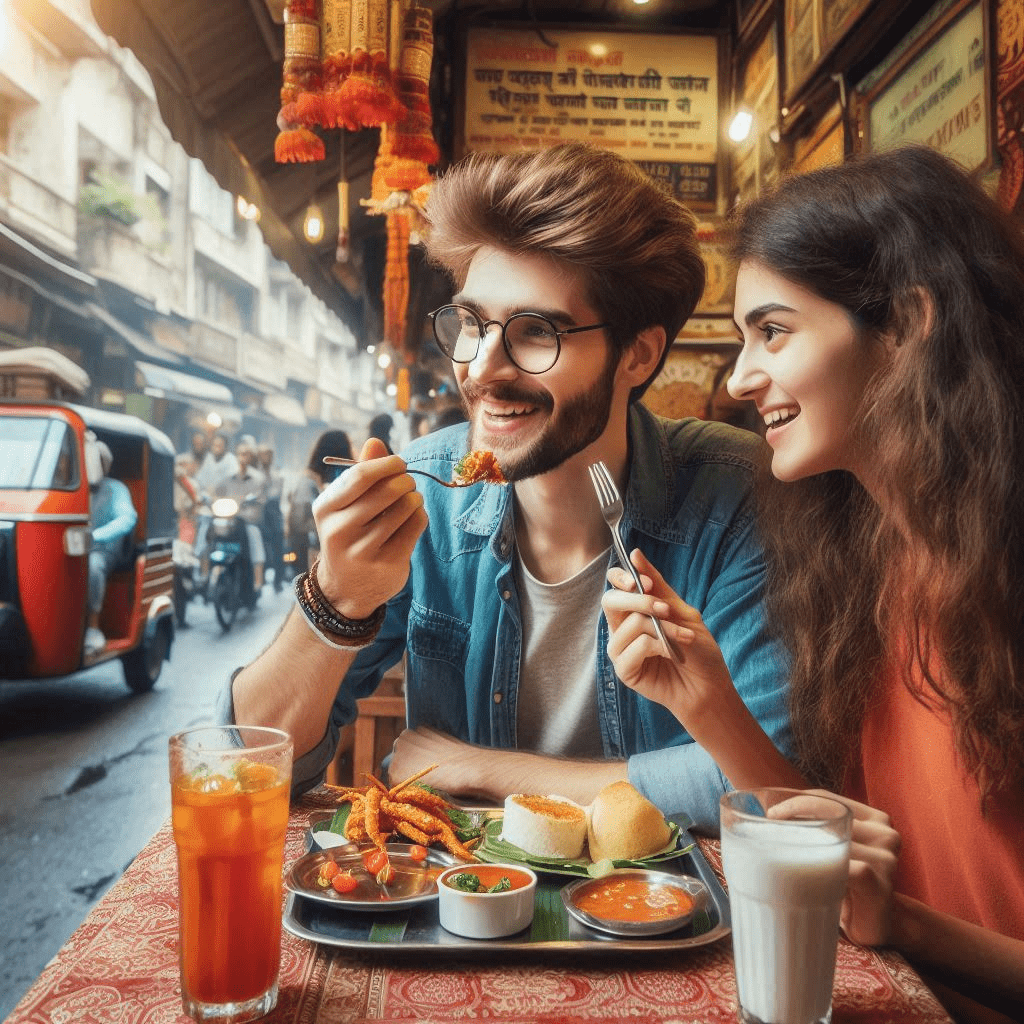
India’s food scene is a highlight of any trip—think aromatic biryanis, creamy butter chicken, and tangy chaats. But new ingredients and different hygiene standards can sometimes upset your stomach, which is the last thing you want when exploring bustling markets or ancient temples. Here’s a practical guide to savoring India’s cuisine while staying healthy, packed with tips to keep you energized for your travels.
🥇 Golden Rule: Choose Your Food & Drinks Wisely
💧 Water
Stick to commercially bottled water from trusted brands like Bisleri or Kinley, and check that the seal is intact. Boiled water is another safe option, especially in restaurants or hotels. Skip ice in drinks—it’s often made with tap water. Carry a reusable bottle and refill it with filtered or boiled water from your accommodation.
🥭 Fruits & Vegetables
Fresh produce is abundant in India, but hygiene matters. Wash fruits and vegetables with bottled or filtered water before eating, or peel them yourself (e.g., bananas, mangoes, or oranges). Avoid pre-cut fruits or unwashed salads from street vendors, as they may have been exposed to contaminants.
🍢 Street Food
India’s street food—like crispy samosas or spicy vada pav—is tempting but risky, especially in your first few days. Your stomach needs time to adjust to new spices and cooking styles. Choose busy restaurants with high customer turnover, clean tables, and staff wearing gloves or using utensils.
If you’re craving street food, start with vendors in popular food markets like Delhi’s Chandni Chowk or Mumbai’s Juhu Beach, where stalls like Bade Miyan are known for quality.
✅ Safe & Soothing Foods for a Happy Stomach
If your stomach feels off or you want to play it safe, stick to these gentle, widely available options:
🍎 The BRAT Diet
Bananas, Rice, Apples, Toast — these foods are easy to digest and help restore energy.
Bananas
Available everywhere, from roadside stalls to markets. Rich in potassium and gentle on the gut.
Rice
Plain white rice or boiled rice is a staple in India and easy to find at any restaurant serving thalis.
Apples
Peel and eat them for pectin, which aids digestion. Avoid raw apples if your stomach is sensitive.
Toast
Dry toast or plain roti (Indian flatbread) is a safe bet, often served in hotels or cafes.
🫙 Starchy Staples
Khichdi
A comforting mix of rice and lentils, often lightly spiced, found in most Indian eateries. A common “sick day” meal in Indian households.
Idli
Steamed rice cakes, typically served with mild coconut chutney. Light and widely available, especially in South India at places like Saravana Bhavan.
Plain Rice
Order it at any restaurant or dhaba (roadside eatery) for a simple, stomach-friendly option.
🥣 Comforting Soups
Clear vegetable or lentil soups (like dal or rasam) are hydrating and easy to digest. Look for them at vegetarian restaurants or South Indian cafes. Avoid heavy, creamy soups like tomato or mushroom, which might upset a sensitive stomach.
🥛 Yogurt / Probiotics
Plain curd (yogurt) is a staple in India. Order it at restaurants or buy packaged curd from brands like Amul. It’s often served with meals in thalis or as lassi (a yogurt drink). In Rajasthan, try chaas (spiced buttermilk) for a refreshing, probiotic-rich drink.
💧 Hydration Heroes
Coconut Water
Sold by street vendors across India — a natural electrolyte boost. Ensure the vendor cuts the coconut in front of you for freshness.
Buttermilk (Chaas)
A cooling, probiotic drink common in North and West India, often lightly spiced. Great for hydration and digestion.
🍓 Fruits for Recovery
Bananas and peeled apples are top choices for their potassium and pectin, which help with digestion and rehydration. You’ll find bananas at every market stall, and apples are common in urban areas or hill stations like Shimla.
📊 Quick Reference: Safe vs. Risky Foods
Food / Drink |
Status |
Notes |
|---|---|---|
🍌 Bananas |
✅ Safe |
Available everywhere; rich in potassium |
🍚 Plain Rice / Khichdi |
✅ Safe |
Staple at any restaurant or dhaba |
🫓 Idli |
✅ Safe |
Steamed, light — widely available in South India |
🥥 Coconut Water |
✅ Safe |
Watch vendor cut it fresh in front of you |
🥛 Plain Curd / Chaas |
✅ Safe |
Amul or restaurant curd; great probiotics |
💧 Bottled Water (sealed) |
✅ Safe |
Bisleri, Kinley — check seal is intact |
🌶️ Spicy curries (vindaloo) |
⚠️ Caution |
Start mild; build up tolerance gradually |
🍦 Dairy / Paneer curries |
⚠️ Caution |
Skip if lactose intolerant |
🥤 Streetside fresh juices |
🚫 Risky |
Risk if made with tap water; stick to packaged |
🥗 Raw salads / unpeeled veggies |
🚫 Risky |
May carry bacteria; skip from street vendors |
🥩 Undercooked meat / seafood |
🚫 Risky |
Only from reputable restaurants; well-cooked only |
🧊 Ice in drinks |
🚫 Risky |
Often made with tap water — skip it |
🍉 Pre-cut fruit from vendors |
🚫 Risky |
Peel your own fruit instead |
💧 Tap water |
🚫 Never |
Not safe for drinking — always bottled/boiled |
⚠️ Foods to Limit or Avoid
Spicy Dishes
India’s fiery curries—like vindaloo or spicy tikkas—can irritate your stomach if you’re not used to them. Start with milder dishes like dal makhani or butter chicken and gradually try spicier options. Avoid heavy chili-based snacks like bhut jolokia (ghost pepper) dishes in Northeast India unless you’re a spice veteran.
Dairy Products
If you’re lactose intolerant, skip milk-based dishes like paneer curries or lassis made with regular milk. Many restaurants don’t offer lactose-free options, so stick to curd or ask for vegan dishes, which are common in cities like Bangalore or Mumbai.
Raw / Undercooked Foods
Raw salads, unpeeled vegetables, and undercooked meats or seafood can carry bacteria. Skip roadside salads or raw veggie garnishes. For meat, choose well-cooked dishes like tandoori chicken from reputable restaurants, such as Karim’s in Delhi.
Streetside Drinks
Fresh juices or sugarcane juice from street vendors can be risky unless you see them prepared with bottled water and clean equipment. Stick to packaged drinks or coconut water for safety.
💡 Bonus Tips for Healthy Eating
Go Slow: Don’t dive into a spicy thali on day one. Start with simple dishes like dal-rice or idli to let your stomach adjust. Overindulging can overwhelm your system.
- Wash Your Hands Often: Hand hygiene is critical in India’s busy environments. Carry a small bottle of hand sanitizer (like Dettol, available at local pharmacies) for when soap and water aren’t handy.
- Listen to Your Body: If you feel bloated or uneasy, pause and switch to the BRAT diet or khichdi for a day. Most hotel restaurants or local eateries can prepare these on request.
- Seek Medical Help if Needed: If diarrhea or stomach issues last more than 48 hours, visit a local clinic or hospital. Cities like Delhi, Mumbai, and Bangalore have excellent medical facilities, such as Apollo or Fortis hospitals. Carry electrolyte packets (like Electral, available at pharmacies) for quick rehydration.
Your support helps us keep India Travel Tips free & up-to-date