

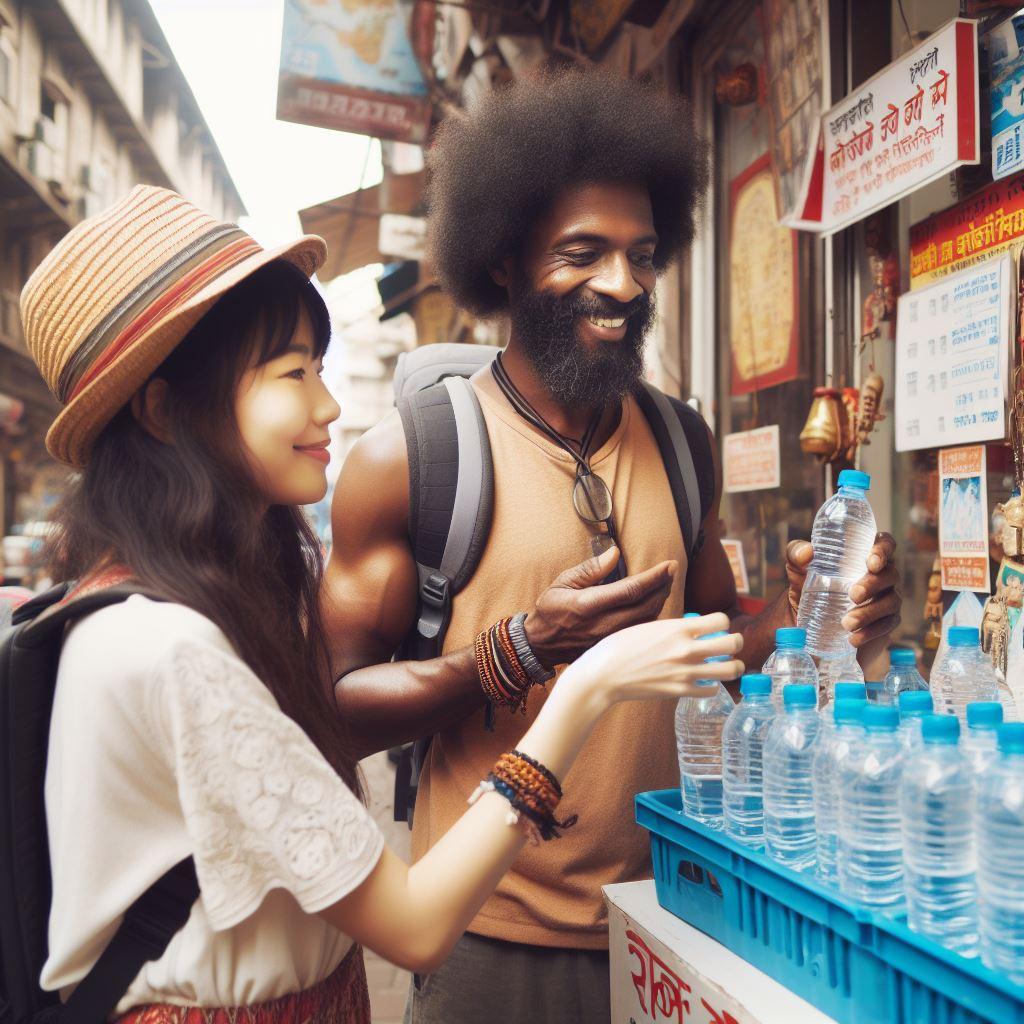
Traveling through India means dealing with diverse climates — from the scorching heat of Rajasthan to the humid coasts of Kerala — which makes staying hydrated essential for your energy and health. While tap water isn’t always safe for tourists due to potential contaminants like bacteria or viruses, bottled water is a go-to option that’s widely available and reliable. This guide covers the best brands, buying tips, safety checks, and eco-friendly habits to keep you healthy and hassle-free on your trip — including practical insights for long train rides and rural explorations.
🏷️ Choosing Your Bottled Water Brand
Selecting a reputable brand is key to avoiding health risks, especially since India’s water quality can vary by region.
When buying lesser-known or local brands, always check for the ISI mark (Indian Standards Institute certification) on the label — it confirms government-approved purification.
Major brands often provide natural mineral water sourced from springs, adding electrolytes helpful in hot weather. Smaller brands prioritise basic purification — fine for short-term use but may taste flatter.
For trekking in Ladakh, choose brands with sturdy packaging to prevent backpack leaks. In Goa or Mumbai you might find imported brands like Evian (₹100–200 per litre) — premium but unnecessary unless you prefer the taste.
📐 Sizes & Pricing
Bottled water in India comes in handy sizes whether you’re on a day trip to the Taj Mahal or a multi-day bus journey.
Size |
Typical Price |
Best For |
|---|---|---|
500 ml |
₹10–15 |
Short walks, flights, quick sightseeing stops |
1 Litre |
₹20–30 |
Standard daily use — the sweet spot for most travellers |
2 Litres |
₹35–50 |
Sharing or hotel stays; reduces plastic waste |
5–10 Litres |
₹60–120 |
Group travel, self-catering Airbnbs, road trips |
12-pack (1L) |
₹200–300 |
Bulk supermarket buy — cheapest per-litre option |
Stock up on larger sizes to avoid frequent stops during Delhi’s 40°C+ summers. Some brands offer chilled bottles in store fridges — a relief on hot days. In rural areas (e.g., villages in Madhya Pradesh) only 1-litre options may be available, so plan ahead and carry extras.
🛒 Where to Buy
Finding bottled water is straightforward — but prices and quality differ by location.
On trains like the Delhi–Kolkata Rajdhani Express, onboard vendors sell RailNeer at fixed rates. Upscale hotels (e.g., Taj properties in Mumbai) may only carry premium brands at ₹50–100 MRP — check your bill.
🛡️ Safety & Avoiding Adulterated Water
Water scams are rare but real, especially in tourist-heavy areas like Agra or Varanasi, where fake bottles can contain untreated water — leading to traveller’s diarrhoea.
- Check the Tamper-Evident Seal: A plastic ring connects the cap to the bottle. When opened, it should break with a distinct clicking sound. No click = tampered.
- Check the Manufacturing Date: Pick bottles made within the last 3–6 months. Older bottles may have a plastic aftertaste from storage.
- Avoid Sun-Exposed Bottles: Direct sunlight or heat leaches chemicals from plastic, affecting flavour and safety. Store your own in a cool, shaded spot (like under a hotel bed).
- Shop Reputation Matters: Established, busy stores over roadside stalls — high traffic means less chance of fakes. Observe if locals buy the same brand.
- Watch for Lookalike Brands: Knockoffs misspell names (e.g., “Bislery” instead of “Bisleri”). Genuine bottles have holograms or QR codes for verification.
- Refilled Bottles: Some sellers refill used bottles with contaminated water. If the cap feels loose or the plastic looks used, reject it immediately.
Scan the QR code on brands like Bisleri with your phone to check authenticity via their app. In case of doubt, boil the water for 1–2 minutes or use purification tablets (available at pharmacies for ₹50–100 per pack).
After drinking, crush the bottle and push the cap inside before disposing. This prevents scammers from reusing it for adulterated refills and helps India’s recycling efforts.
💡 Pro Tips for Safe & Sustainable Hydration
- Go Eco-Friendly: India’s plastic waste is a serious issue. Reduce your footprint by carrying a reusable bottle (like a LifeStraw with built-in filter, ₹1,000–2,000) and refilling at hotel RO purifiers or airport public stations. Some cafes in eco-conscious spots like Auroville offer free filtered water refills.
- Ask Your Hotel: Many mid-range hotels (e.g., in Jaipur or Kochi) provide free filtered water stations or filtered water in bottles — ask at check-in to save money and plastic.
- Carry Electrolytes: Pack ORS (Oral Rehydration Salts) packets (₹5–10 each) to mix with water during hot days or if you feel dehydrated. Available at any pharmacy. If you get sick, over-the-counter meds like Norflox are available for waterborne issues — but consult a doctor.
- Budget Hack: Buy in bulk from supermarkets for road trips — a 12-pack of 1-litre bottles costs ₹200–300, far cheaper than individual purchases at tourist spots.
- Natural Alternatives: In South India, fresh coconut water (₹30–50) sold on streets is a natural, hydrating, and delicious alternative — safer than tap water too.
🗺️ Regional Variations Across India
Staying safe with water lets you focus on India’s highlights — sipping chai in a Mumbai cafe, hiking in the Western Ghats, or marvelling at the Taj at sunrise. Prioritise trusted sources, stay vigilant, and you’ll have a refreshing trip. Pack smart, hydrate often, and explore with confidence!
Your support helps us keep India Travel Tips free & up-to-date