

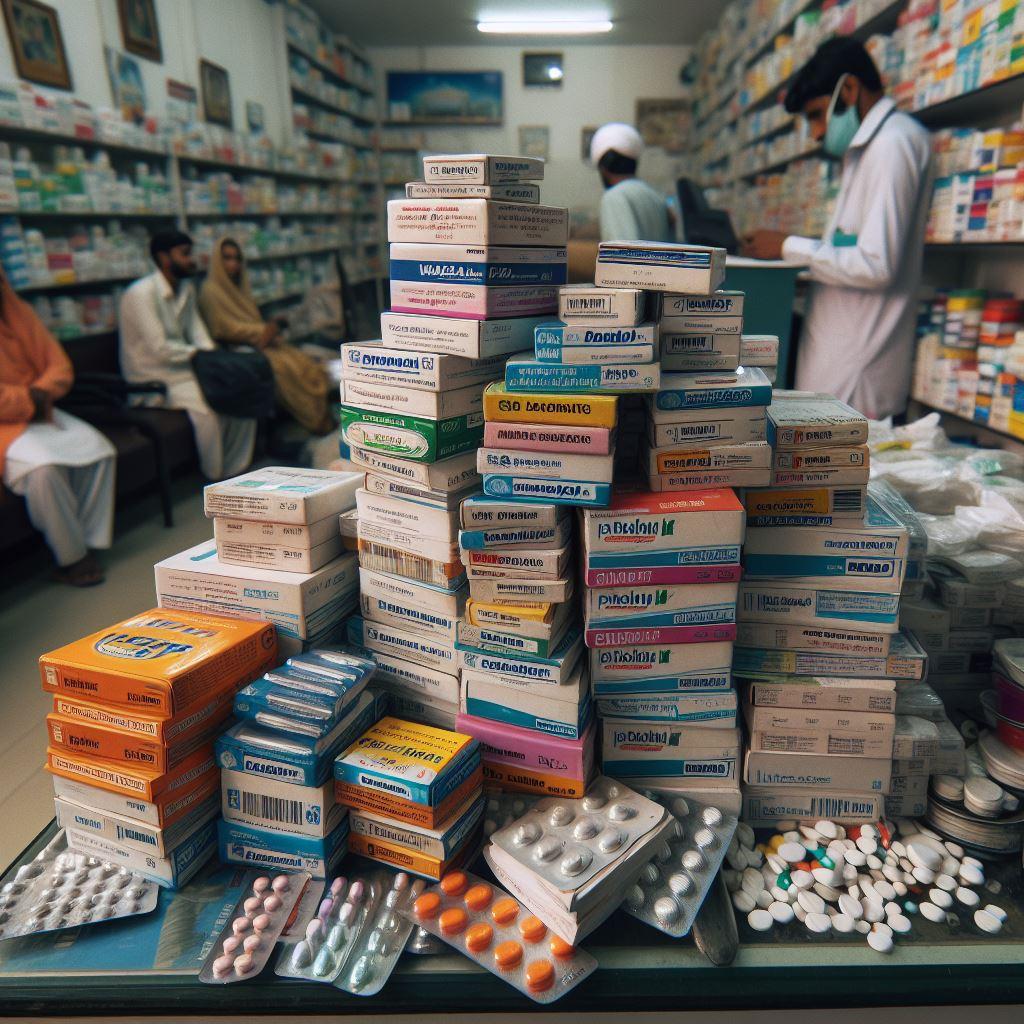
India’s vast network of medical stores, or pharmacies, makes it easy for travelers to access medications when needed. Whether you’re dealing with a minor ailment or managing a prescription, this guide provides practical insights to help you navigate India’s pharmacies confidently and safely. From identifying stores to understanding prescriptions, we’ve got you covered with essential tips and local know-how.
Visual Cues
Look for a green cross sign, often illuminated, marking a pharmacy. Some stores may also display a red cross or the word “Chemist” on their signage.
Terminology
Pharmacies are commonly called “chemists” or “medical stores” in India. In rural areas, you might hear “dawai ki dukaan” (medicine shop).
Ownership
Most pharmacies are privately owned, often run by licensed pharmacists or small family businesses.
Location Tips
Pharmacies are typically clustered near hospitals, clinics, or busy markets. In urban areas you’ll find them on almost every major street. In rural areas, they may be fewer but are usually near local health centers.
Traveler’s Tip: Download apps like Practo or 1mg to locate nearby pharmacies, check their hours, or even order medicines for delivery in major cities.
Location Type |
Typical Hours |
Notes |
|---|---|---|
Standard (most cities) |
7:00 AM – 10:00 PM |
Common |
Urban areas (near hospitals) |
7:00 AM – Midnight |
Extended |
24 / 7 |
Always open |
|
Rural / small towns |
Until ~8:00 PM |
Stock up early |
Traveler’s Tip: If you’re in a new city, ask your hotel or guesthouse staff for the nearest 24-hour pharmacy. They often know reliable options.
Modern Medicine (Allopathy)
Most pharmacies stock a wide range of allopathic (Western) medicines, including prescription drugs, over-the-counter (OTC) remedies, and generics. Common medications for fever, pain, allergies, or digestive issues are readily available.
Traditional Indian Medicine
Many pharmacies, especially in tourist-friendly areas like Kerala or Rishikesh, carry Ayurvedic medicines (herbal remedies rooted in India’s ancient medical system). Some also stock homeopathic or Unani medicines, though availability varies.
Other Essentials
Pharmacies often sell medical supplies like bandages, thermometers, sanitizers, and even basic toiletries. In tourist hubs, you might find travel-friendly items like mosquito repellent or hydration salts.
Traveler’s Tip: If you’re seeking Ayurvedic remedies, visit reputable brands like Himalaya, Dabur, or Patanjali, which are widely available. Always consult a local doctor before trying traditional medicines to ensure they suit your needs.
Navigating a pharmacy in India is straightforward, but a few local practices can catch travelers off guard. Follow these steps for a smooth experience:
-
1
Choose a Pharmacy Near Your Doctor
If you’ve visited a doctor, buy medicines from a pharmacy close to their clinic or hospital. These stores often stock the specific brands or medications preferred by nearby doctors, ensuring availability.
-
2
Present Your Prescription
Always carry your doctor’s prescription. Pharmacists rely on it to dispense the correct medication and dosage. In India, many medications (even antibiotics) are available without a prescription, but it’s safer to have one for accuracy.
-
3
Understand Prescription Codes 📋
Indian prescriptions often use shorthand. Ask the pharmacist to clarify if you’re unsure.
CodeMeaning1 1 1One dose at breakfast, lunch, and dinner0 0 1One dose in the evening onlya/fAfter foodb/fBefore foodSOSAs needed (e.g., for pain or fever) -
4
Check for Brand Substitutions
Pharmacists may suggest alternative brands (generics) if the prescribed one is unavailable or costlier. These are often safe but confirm with the pharmacist that the active ingredient matches your prescription. If in doubt, consult your doctor.
-
5
Verify Before Buying ✅
- ✔️ Check the dosage and medicine name on the packaging against your prescription.
- ✔️ Ensure the expiry date is clearly printed and valid (at least 6 months away).
- ✔️ Inspect the packaging for damage, such as crushed boxes or torn strips. Request fresh stock if anything looks off.
-
6
Buy the Prescribed Quantity
Pharmacists often dispense exact quantities (e.g., 10 tablets instead of a full strip). This is normal but double-check the count before leaving.
-
7
Expiry Date Marking 🖊️
If the pharmacist divides a strip or repackages loose tablets, ask them to write the expiry date on the package for reference.
Traveler’s Warning: Avoid buying medicines from roadside stalls or unlicensed vendors, especially in tourist areas. Stick to established pharmacies with visible licenses (usually displayed behind the counter).
Language Barrier
In urban pharmacies, staff often speak English, but in rural areas, you may need basic Hindi phrases like “dawai” (medicine) or “prescription dikhao” (show prescription). Use Google Translate if needed.
Payment
Most pharmacies accept cash, and larger chains in cities take digital payments (UPI, cards). Carry small bills (₹50 or ₹100) for smaller shops.
Storage & Travel
India’s climate can be hot and humid, so store medicines in a cool, dry place. If traveling long distances (e.g., on trains or buses), keep medications in your carry-on to avoid spoilage.
Common Travel Ailments
Stock up on OTC remedies for traveler’s diarrhea (e.g., Loperamide), hydration salts (e.g., Electral), or antacids. These are widely available and useful for India’s spicy cuisine or water-related issues.
Vaccinations & Prophylactics
If you need malaria prophylaxis or other travel-specific medications, consult a doctor before arriving in India. Pharmacies may not always stock specialized drugs like Malarone.
Long-Term Medication
If you’re on long-term medication, bring a sufficient supply from home, as specific brands may not be available. Carry a doctor’s note or prescription to clear customs, especially for controlled substances.
These chains offer consistent quality and are ideal for travelers — common in cities and airports:
Traveler’s Insight: Pharmacies in tourist hotspots like Jaipur, Goa, or Varanasi are used to serving foreigners and often stock traveler-friendly items. Don’t hesitate to ask for recommendations on local remedies or OTC solutions for common issues like heat exhaustion or minor cuts.
Your support helps us keep India Travel Tips free & up-to-date