

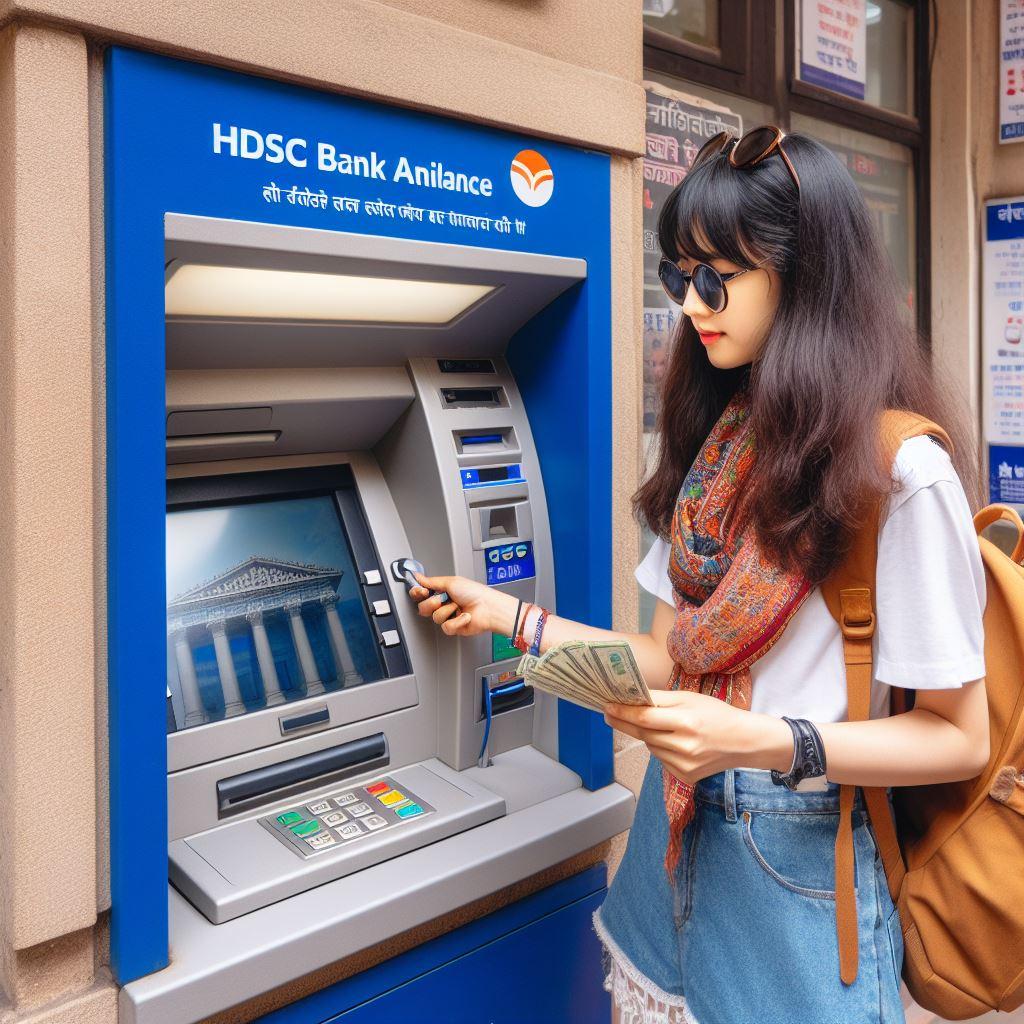
Planning a trip to India? Handling money wisely can save you time, hassle, and extra costs. Whether you’re exchanging currency before you leave or accessing funds on arrival, here’s a practical guide based on real traveler experiences. We’ll cover options step by step, with pros, cons, and insider insights to help you make informed choices. Remember, exchange rates fluctuate — check live rates on apps like XE or Google before any transaction.
✈️ Before You Leave: Exchanging Currency at Home
If you prefer having some Indian Rupees (INR) in hand upon arrival, consider currency exchange firms in your home country.
👍 Pros
- Familiar process at home
- Decent rates for major currencies like USD or EUR
- Peace of mind on arrival
👎 Cons
- INR isn’t always readily available outside India
- Rates can be less favourable vs. local options
Once in India, stick to reputable spots for better deals. Major banks like ICICI, HDFC, or Axis often provide competitive rates with low fees. Established travel companies such as Thomas Cook or SOTC are reliable too, especially at airports or city centres. Avoid small kiosks or unofficial dealers to prevent scams.
💳 Prepaid Forex Cards
Prepaid forex cards (like those from HDFC or Axis) are a smart addition if you’re carrying larger amounts.
Locked-in Rates
Load them with USD or your home currency — they often lock in rates upfront, protecting you from fluctuations.
Works Like Debit
They work at ATMs or for payments across India, just like a regular debit card.
Reload via App
Top up remotely from your phone if needed. Plus, better security than carrying raw cash.
Compare loading fees and ATM withdrawal charges between providers — they vary significantly and can eat into your savings.
🏧 On the Ground: Using ATMs in India
India’s financial system is modern and accessible, but cash is still king in markets, small towns, and for tips. ATMs are everywhere — from airports to street corners — making them a go-to for most travellers.
💸 ATM Fees at a Glance
Fee Type |
Typical Amount |
Notes |
Rating |
|---|---|---|---|
Indian ATM Surcharge |
₹200 – ₹300 per withdrawal |
Charged by the Indian bank’s ATM |
Watch out |
Your Bank’s Foreign Fee |
1% – 3% of amount |
Varies by home bank and card type |
Watch out |
Daily Withdrawal Limit |
₹15,000 – ₹50,000 |
Depends on your card & the ATM bank |
Plan ahead |
Dynamic Currency Conversion |
+2% – 6% extra |
Charged if you choose your home currency at the ATM — always choose INR! |
Avoid |
Credit Card Cash Advance |
3% – 4% per month interest |
Starts immediately, no grace period |
Avoid |
Debit Cards
Look for ATMs displaying VISA, MasterCard, Discover, or UnionPay logos — common at SBI, HDFC, and ICICI branches. Notify your bank of your India trip before departure to avoid fraud blocks. Confirm your daily limits and foreign transaction fees in advance.
Credit Cards
Skip cash advances unless it’s an emergency — high interest (up to 3–4% per month) starts immediately, plus fees. Use credit cards for purchases instead, where they’re widely accepted in hotels, shops, and online.
🛡️ ATM Safety Tips
- Use ATMs inside bank branches during daylight hours to reduce skimming risks.
- In big cities like Delhi or Mumbai, use Google Maps to locate fee-free ATMs nearby.
- In remote areas, carry backup cash — network issues can occur during festivals or power outages.
- Notify your home bank before travel to prevent card blocks due to suspected fraud.
💸 Money Transfer Services
Need to receive funds from family or friends back home? These services are handy in urban areas — ideal for emergencies like lost cards, but not for everyday use.
👍 Pros
- Convenient pickup points in cities
- Great for getting money wired from abroad quickly
👎 Cons
- Transfers can take 24 hours or more
- You’ll need a sender with access to the service
- Fees vary by amount and speed
Service |
Best For |
Typical Cost |
ID Required |
|---|---|---|---|
Widespread agent network across India |
Moderate |
Passport |
|
Low fees, app-based, best exchange rates |
Lowest |
Passport + selfie |
|
Quick transfers, wide availability |
Higher for small amounts |
Passport |
Compare rates on their apps — Wise often undercuts others by 1–2% on transfers. You’ll need ID like your passport for pickup, and limits apply (e.g. up to ₹50,000 per transaction for some services). This is ideal for emergencies, but not for daily use.
📱 Going Digital: UPI Wallets for Cashless Ease
India’s Unified Payments Interface (UPI) is a game-changer for payments and can significantly reduce your need for physical cash.
UPI is India’s real-time payment system that links bank accounts and digital wallets for instant transfers using just a QR code or phone number. Foreigners can now use UPI with international cards or by linking a local SIM — check with your bank for compatibility.
🔗 Popular UPI Apps for Travellers
🛒 Where UPI is Accepted
Street Vendors & Markets
Most vendors — even roadside stalls — now display QR codes. Scan and pay instantly, no change hassle.
Taxis & Auto-Rickshaws
Apps like Ola and Uber use UPI natively. Many drivers also accept QR-based payments directly.
Temples & Cultural Sites
Even many temples and heritage sites accept UPI donations and entry payments via QR codes.
UPI is faster and safer than cash, with no fees for most peer-to-peer transfers. For travellers, it means less time at ATMs. If you’re staying longer, get a local bank account (possible with a visa) for full access. During peak tourist seasons like Diwali, digital payments help avoid cash shortages at banks and ATMs.
🗺️ Quick Summary: Your Cash Strategy for India
By mixing these options — starting with some exchanged cash, relying on ATMs, and embracing UPI — you’ll navigate India’s money scene smoothly.
- Exchange some INR before departure for arrival peace of mind, or use a prepaid forex card
- Use bank-branch ATMs during daylight; always select INR (not your home currency) at the prompt
- Notify your home bank of your India trip to avoid card blocks
- Keep XE or Google open to monitor live exchange rates before any transaction
- Set up a UPI app like Google Pay or PhonePe to go cashless at most vendors
- Use Wise or Western Union for emergency transfers from home
- Track expenses with an app like Trail Wallet
- Always carry a mix of cash and cards as backup, especially in rural areas