

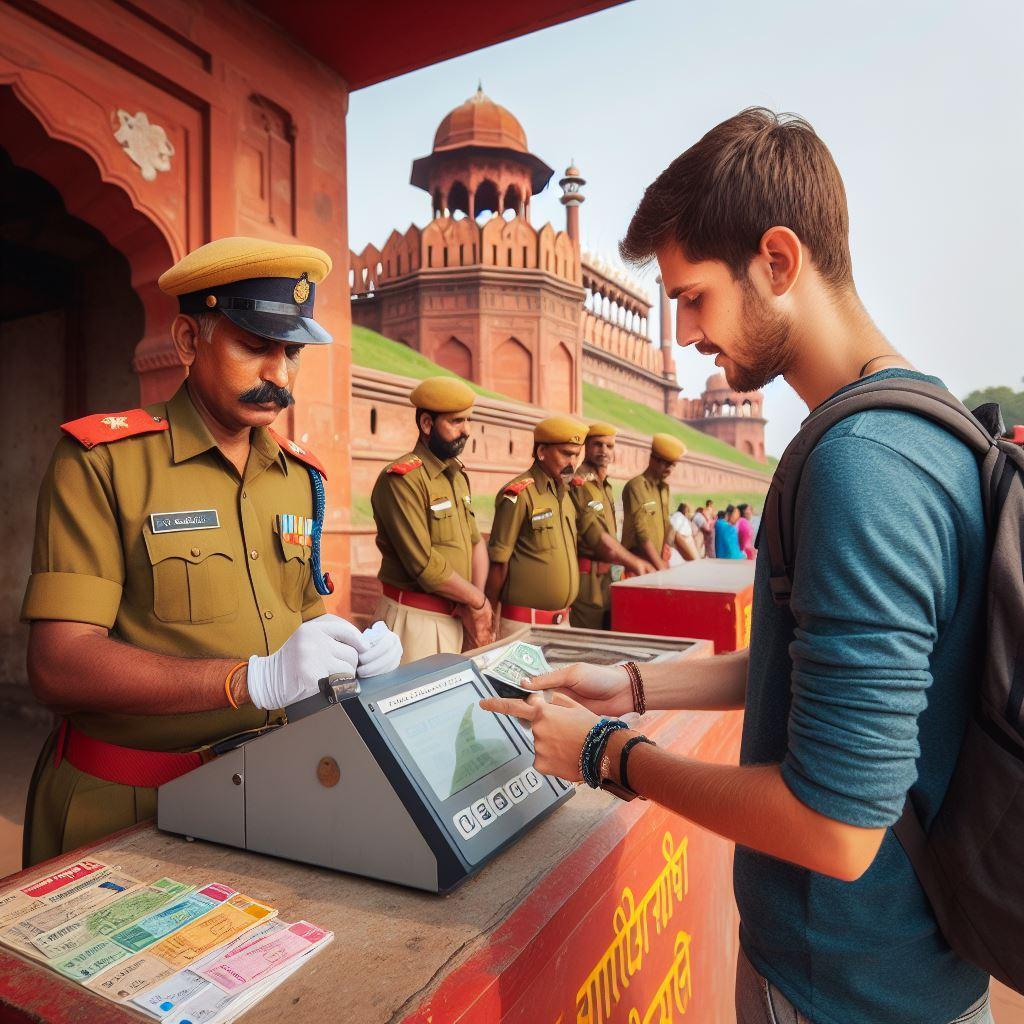
India’s rich history, vibrant culture, and stunning landscapes make it a must-visit destination. From the majestic Taj Mahal to the serene backwaters of Kerala, the country offers countless attractions. However, some government-managed sites charge specific entry fees for foreign visitors. This guide breaks down what you need to know about tourist fees, how to avoid scams, and tips to make your trip smoother and more enjoyable.
🏛️ What Are Tourist Fees?
Historical monuments, museums, national parks, and wildlife sanctuaries managed by India’s Central or State governments often have different entry fees for foreign nationals compared to Indian citizens. Examples include iconic sites like the Taj Mahal, Qutub Minar, Red Fort, and wildlife reserves like Ranthambore National Park or Jim Corbett National Park.
Entry fees for foreigners typically range from ₹500–₹1,100 ($6–$13 USD) at major sites like the Taj Mahal or Humayun’s Tomb. Smaller monuments may charge ₹100–₹300 ($1–$4 USD).
Fees vary by park, with additional costs for safaris, guides, or camera permits. A jeep safari in Ranthambore can cost ₹1,500–₹3,000 ($18–$36 USD) for foreigners, including entry fees.
Government-run museums — like the National Museum in Delhi — often charge ₹650 ($8 USD) for foreign visitors, compared to ₹50 ($0.60 USD) for Indian citizens.
💡 Why the Difference?
The tiered pricing system helps subsidize lower entry costs for Indian citizens, making cultural and natural treasures more accessible to locals. For foreign travelers, these fees are still reasonable compared to similar attractions worldwide and contribute to the maintenance of these sites.
📋 Additional Fee Insights
Many monuments and parks charge extra for photography or videography, especially professional equipment. The Taj Mahal charges ₹200 ($2.50 USD) for video cameras.
Some sites offer discounts for student groups or large tourist groups — check with the ticket counter or your tour operator before you buy.
Major sites like the Taj Mahal and Ajanta Caves allow online ticket purchases via ASI or apps like Yatra. This saves time and sometimes includes a small discount.
💰 At-a-Glance: Fee Reference
Site Type |
Example Sites |
Foreign Fee (approx.) |
Size |
|---|---|---|---|
🕌 Major Monument |
Taj Mahal, Humayun’s Tomb, Red Fort |
₹500–₹1,100 (~$6–$13) |
Major |
🏛️ Smaller Monument |
Safdarjung Tomb, Siri Fort |
₹100–₹300 (~$1–$4) |
Smaller |
🐯 Wildlife Safari |
Ranthambore, Jim Corbett |
₹1,500–₹3,000 (~$18–$36) |
Major |
🖼️ Govt. Museum |
National Museum, Delhi |
₹650 (~$8) |
Medium |
📷 Video Camera |
Taj Mahal |
₹200 (~$2.50) extra |
Add-on |
🎧 Audio Guide |
Most major monuments |
₹100–₹200 |
Add-on |
The table above scrolls horizontally on smaller screens — swipe left to see all columns.
⚠️ Common Scams to Watch For
-
Fake Ticket Sellers Scammers may pose as “official” ticket vendors near popular sites, selling overpriced or fake tickets. Always buy tickets from designated counters or official websites.
-
Unofficial Guides At monuments, unofficial guides may demand high fees or claim you need a guide to enter. Licensed guides are optional and have fixed rates (e.g., ₹1,000–₹2,000 for a 2-hour tour at major sites).
-
Overcharging at Smaller Sites At lesser-known attractions, staff may quote inflated prices for foreigners. Always check for displayed fee boards or ask for a receipt.
✅ Transparency Tips
Legitimate sites display entry fees clearly at ticket counters. If you don’t see one, ask officials for clarification.
Use asi.nic.in or state tourism websites for accurate fee information before you arrive.
If you’re unsure about a fee, ask ticket staff or on-site officials for details. Most are happy to clarify.
🌟 ITT Pro Tips
India’s most popular sites — especially the Taj Mahal — get very busy. Book online in advance and arrive early for the best experience.
💚 Why It’s Worth It
Tourist fees at government-managed sites are a small price to pay for experiencing India’s incredible heritage. Your contributions help preserve ancient monuments, protect endangered wildlife, and maintain world-class museums. By understanding the fee system, planning ahead, and staying vigilant against scams, you’ll enjoy a hassle-free and enriching journey through India’s cultural and natural wonders.
🎁 Bonus Tips: Local Insights
-
Free Entry Days Some sites, like certain museums, offer free entry on specific days (e.g., International Museum Day, May 18). Check local schedules before you visit.
-
Cultural Events Many heritage sites host festivals or light-and-sound shows (e.g., at Red Fort or Khajuraho), which may have separate tickets but are worth experiencing for a deeper cultural dive.
-
Local Food Nearby After visiting monuments, explore nearby street food or local eateries. Try parathas near Qutub Minar or chaat in Old Delhi for an authentic taste of India.
Your support helps us keep India Travel Tips free & up-to-date