

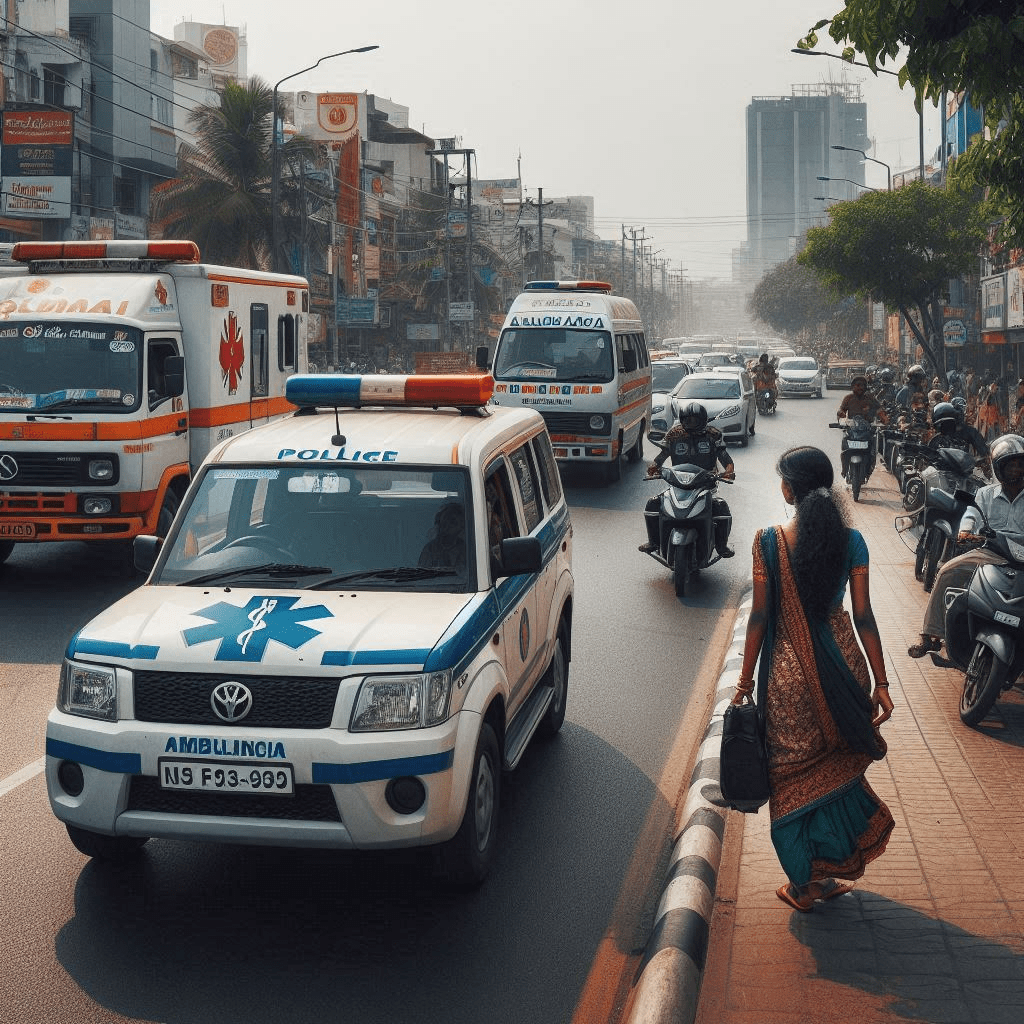
Traveling to India is an exciting journey filled with vibrant culture, stunning landscapes, and rich history. But being prepared for emergencies and understanding how to navigate local systems can make your trip smoother and safer. This guide provides practical, detailed advice to help you stay secure and confident while exploring India.
Emergency Numbers to Know
- 112 — One-stop number for police, fire, or ambulance. Works nationwide with English support. Response times may vary by location.
- 1091 (Women’s Helpline) — Immediate assistance for female travelers facing harassment or safety concerns. Many cities also have women-only police stations.
- 1363 / 1800-11-1363 (toll-free) — Run by the Ministry of Tourism; 24/7 support for tourist-related queries, safety concerns, and travel advice. Multilingual and traveler-friendly.
Law Enforcement in India
Type |
Uniform |
Where to Find |
Best For |
|---|---|---|---|
🏙️ Local / State Police |
Khaki uniform |
Cities & towns across India |
General law enforcement, directions, reporting minor issues |
🔵 Tourist Police |
Blue uniform or plain clothes with clear ID |
Airports, train stations, Taj Mahal, Goa beaches & major tourist sites |
Scams, lost items, travel-related concerns — better English skills |
They’re trained to assist with common traveler issues and often speak better English than regular police. Always carry a small notebook with your hotel address written in the local language for clarity.
Staying Safe: Key Warnings & Tips
India is generally safe for travelers, but staying cautious can prevent minor hiccups from spoiling your trip. Here’s what to watch out for:
🎒 Petty Theft
Crowded places like markets (e.g., Delhi’s Chandni Chowk or Mumbai’s Colaba Causeway), train stations, or festivals are hotspots for pickpocketing.
- Use a money belt or hidden pouch for cash and cards
- Keep your bag zipped and in front of you in crowds
- Photocopy passport & visas; store copies digitally in a secure cloud app
- Flashing expensive cameras or jewelry in public
- Leaving bags unattended on trains or buses
- Keeping all cash in one place
🎭 Scams to Avoid
Touts and inflated prices are common in tourist areas like Agra, Varanasi, or Rishikesh. Watch out for:
- Book through trusted platforms: MakeMyTrip, Yatra, or directly with hotels
- Politely but firmly decline unsolicited services — a simple “No, thank you” works
- Use prepaid taxi counters at airports, or apps like Ola and Uber for transparent pricing
🕌 Cultural Sensitivity
India’s diversity means customs vary widely across regions. Respecting local norms builds goodwill and keeps you safe.
Dress modestly at religious sites — cover shoulders and knees at temples like Tirupati or mosques in Hyderabad.
Remove shoes before entering temples or homes — this is a sign of deep respect in Indian culture.
Always ask permission before photographing people, especially in rural areas or at religious ceremonies.
Avoid public displays of affection, especially in conservative areas and smaller towns.
What to Do If Things Go Wrong
🛂 Lost Passport
Go to the nearest police station to document the loss — this is required for most embassy applications.
Bring any ID copies or proof of travel (e.g., flight tickets) to the embassy.
Check your embassy’s website for specific instructions and online forms.
🚔 Theft or Crime
Why Tourist Police? They’re more familiar with foreign travelers’ needs and often have English-speaking staff. Look for them in Goa, Agra, or Jaipur.
🏥 Medical Emergencies
Option |
How to Access |
Best For |
Notes |
|---|---|---|---|
🚑 Ambulance |
Dial 108 |
Emergencies needing immediate transport |
Free government service |
🏥 Private Hospital |
Head directly or call ahead |
Faster, higher-quality care |
Apollo, Fortis, Max Healthcare in major cities |
🏛️ Government Hospital |
Walk-in |
Budget option |
Cheaper but often overcrowded |
💊 Pharmacy |
Walk-in — widely available |
Minor ailments, prescriptions |
Verify medicine brands with a trusted pharmacist |
- Travel insurance details
- A list of your allergies or medical conditions
- Emergency contact numbers
ITT Pro Tips for a Safe Trip
Use Google Maps or Maps.me to download city or region maps for offline use — a lifesaver in areas with spotty internet like rural Rajasthan or the Himalayas.
- Mark your hotel, key landmarks, and the nearest police station on the map
Many countries (US, UK, Australia) offer online registration for travelers. This helps embassies contact you during emergencies like natural disasters or political unrest.
- US travelers: join the STEP program (Smart Traveler Enrollment Program) — quick to register online
A local SIM (Airtel, Jio, or Vodafone) ensures you can call, text, and navigate. Buy one at the airport or authorized stores — you’ll need a passport photo and ID copy.
- Plans start at ₹200–₹500 for 1–2 GB daily data for a month
- Jio has the widest 4G/5G coverage, especially in rural areas
Invest in comprehensive travel insurance covering medical emergencies, trip cancellations, and theft.
- Check if your policy includes adventure activities (e.g., trekking in Ladakh)
- Carry both a digital and physical copy of your insurance policy
- Medical evacuations or lost luggage can be very costly without coverage
- Share your itinerary with family or friends back home
- Avoid sharing your hotel details with strangers
- Use women-only compartments on trains or metros for added safety when traveling alone as a female
- Carry some cash (₹500–₹2,000) for small vendors
- Rely on Google Pay / PhonePe (UPI) or cards in cities
- Use ATMs inside banks or malls to avoid card skimming
- Notify your bank of your travel plans to prevent card blocks
India’s charm lies in its unpredictability, but a little preparation goes a long way. By knowing who to call, how to avoid scams, and respecting local customs, you’ll spend less time worrying and more time enjoying India’s colors, flavors, and stories.
Your support helps us keep India Travel Tips free & up-to-date