

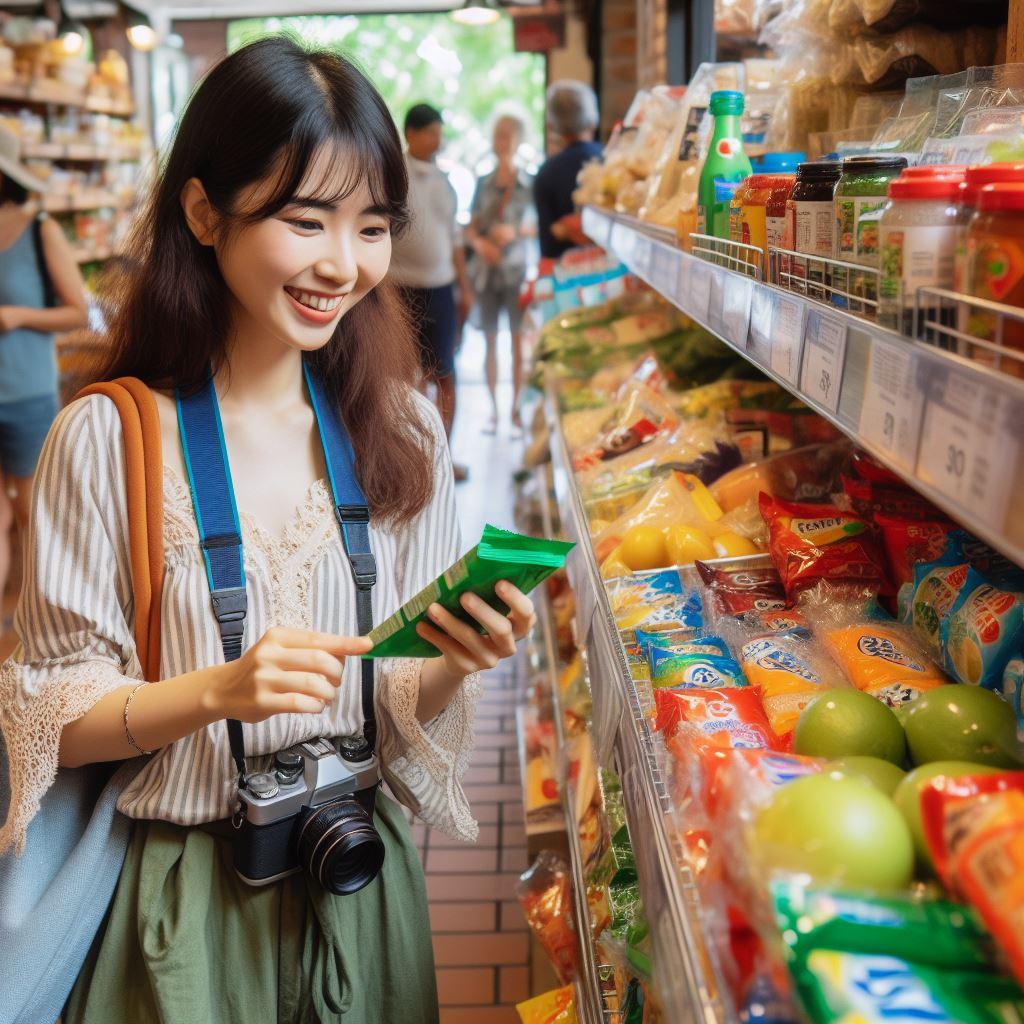
Traveling through India means immersing yourself in its diverse landscapes, from the bustling streets of Mumbai to the quiet villages of Rajasthan. But practical needs like grabbing snacks, toiletries, or essentials can arise anytime. India’s shopping scene varies by location and time, with options ranging from local stores to quick online deliveries. This guide helps you navigate it all, whether you’re in a big city like Delhi or a small town in Kerala. We’ve included details on where to find what you need, payment tips, and insights to save time and money — plus updates like expanded delivery services and payment options for foreigners.
📋 Quick Reference: Shopping Options at a Glance
Option |
Best For |
Hours |
Location |
|---|---|---|---|
🏪 Supermarkets |
Groceries, imported items, toiletries |
9 AM – 10 PM |
Large cities |
🛖 Kirana Shops |
Daily basics, bread, milk, snacks |
8 AM – 9 PM |
Everywhere |
📦 Online Delivery |
Anything, fast |
10–30 min |
Major cities |
🏬 Hypermarkets |
Bulk buys, electronics, travel gear |
9 AM – 10 PM |
Cities & large towns |
💊 Medical Stores |
Medicines, toiletries, quick snacks |
Until 11 PM–midnight |
Everywhere |
🏪 7-Eleven / 24×7 |
Late-night grabs |
24 hrs (growing) |
Maharashtra (expanding) |
🍺 Liquor Stores |
Alcohol |
10 AM – 10/11 PM |
Most states (not all) |
☀️ Daytime Shopping (8 AM to 10 PM)
🏙️ Large Cities & Towns (e.g., Mumbai, Delhi, Bengaluru, Chennai)
Like Western convenience stores but stocked with Indian staples — spices, ready-to-eat meals, fresh produce, imported cheese & cereals. Chains like Reliance Fresh, D-Mart, and Spencer’s offer wide selections. In Delhi’s Connaught Place, find everything from bottled water to sunscreen in one stop.
Small local shops for daily needs — bread, milk, fruits, toiletries. Found everywhere, even in upscale areas like South Mumbai, and often cheaper than supermarkets for basics. Great for stocking up on biscuits or instant noodles for train journeys.
Get essentials in 10–30 minutes in major cities. Amazon Fresh now covers 270+ cities. You’ll need an Indian SIM (buy at the airport). Cash on Delivery (COD) and UPI are accepted.
Big stores like Reliance Smart or D Mart with diverse selections — groceries to electronics. Great for bulk buys on longer stays.
In tourist hubs like Goa or Jaipur, look for supermarkets with sections for international tourists, stocking items like gluten-free snacks or vegan options. Always check expiry dates on packaged goods for hygiene.
🌄 Smaller Towns & Villages (e.g., Pushkar, Munnar, Rural Uttar Pradesh)
Your go-to for daily necessities — soap, water, fruits. These mom-and-pop shops are reliable and often run by locals who can give directions or tips on nearby attractions.
Beyond medicines, they stock basic toiletries, biscuits, chocolates, and soft drinks. In places like Varanasi’s ghats, they’re handy for quick buys like band-aids or electrolyte packets after a long walk.
Options are limited, so plan ahead if you need specific items like dietary supplements. In villages, stores might close earlier (around 8 PM), and bargaining isn’t common for groceries but can save a rupee or two on fruits.
🌙 Nighttime Shopping (10 PM to 8 AM)
🏙️ Large Cities & Towns — After 10 PM
Many pharmacies stay open until 11 PM or midnight for limited essentials — water, snacks, pain relievers. In Mumbai’s Colaba or Delhi’s Paharganj, 24-hour pharmacies are common near hotels.
Swiggy Instamart, Blinkit, Zepto, Amazon Now and Flipkart Minutes operate late or 24/7 in major cities. Delivery may take up to 45 minutes after midnight — a lifesaver for jet-lagged arrivals in Kolkata or Ahmedabad.
Shops near major railway stations (e.g., New Delhi Railway Station) or bus stands (like Bengaluru’s Majestic) often run 24/7, selling snacks, water, and basics.
7-Eleven stores are expanding via Reliance Retail, mainly in Maharashtra (Mumbai and Pune) with plans for more cities. Quick grabs like sandwiches or coffee — similar to international chains. However, Online Quick Delivery services remain a great alternative to these type of stores which are quite rare or non existent in most of India.
In tech hubs like Bengaluru, delivery apps extend to 2–3 AM. For women travelers, opting for delivery to your hotel is a safer choice for late-night needs.
🌄 Smaller Towns & Villages — After 10 PM
- Medical stores are your best (and often only) option. In hill stations like Shimla, a few stay open until 11 PM.
- Plan your day to shop early. If stuck, ask your hotel staff — they might have basics or know a nearby spot.
🍺 Buying Alcohol & Cigarettes
Age checks (21+) are common. Rules vary significantly by state. Check local regulations before you travel.
🚫 Dry States — Complete Alcohol Ban
Other states have dry days on national holidays like Independence Day (August 15) and Gandhi Jayanti (October 2). No alcohol sales in religious areas — e.g., Ujjain or Maihar.
Buy only at licensed liquor stores (“wine shops”) operating roughly 10 AM to 10 PM. Hours vary by state — until 11 PM in Maharashtra, 9 PM in Tamil Nadu. Purchases are restricted after 10 PM nationwide.
In tourist spots like Goa, stores are plentiful. In conservative areas like Uttar Pradesh, they’re more discreet. Local beer: around ₹150–300. Imports cost more.
Sold at roadside tea stalls (paan shops), some supermarkets, and late-night stores near stations. No sales within 100 yards of schools. Packs must have 85% health warnings.
Loose cigarettes are illegal, though enforcement varies — buy full packs to avoid issues. Public smoking is banned in many places (fines up to ₹200).
Women may face scrutiny in some liquor stores. Hotel bars are a more comfortable and hassle-free option.
💳 Payments: Cash, Cards & UPI
Payment Method |
Where It Works |
Tip for Foreigners |
|---|---|---|
💵 Cash (₹) |
Everywhere |
Keep ₹100–500 notes handy. Smaller shops prefer cash. |
💳 Card |
Supermarkets, hypermarkets, large stores |
Not accepted at small kirana shops. |
📱 UPI |
Almost everywhere with a QR code |
|
📦 Cash on Delivery |
Online apps (Swiggy, Blinkit etc.) |
Accepted on most delivery platforms — great if you don’t have UPI set up yet. |
Download PhonePe or Google Pay and link your international bank via UPI One World for QR scans without fees. Some banks also allow international numbers for direct UPI setup.
🎯 Pro Tips for Smart Shopping
-
Use Google Maps to find stores
Your top tool for locating supermarkets, stores, and pharmacies. Enable location services and search “supermarkets near me” or “24-hour pharmacy in Agra.” It shows ratings, hours, and photos — useful for avoiding low-rated spots.
→ Open Google Maps -
Always check the MRP (Maximum Retail Price)
Printed on most products; shops cannot legally charge more. Small stores may add ₹5 for chilled items. In tourist areas like the Taj Mahal surroundings, expect up to 10% markup — politely ask for MRP if overcharged. In markets like Delhi’s Chandni Chowk, compare prices at 2–3 shops. -
Bring a reusable bag
Many stores charge ₹5–10 for plastic bags due to bans in states like Maharashtra or Himachal Pradesh. A reusable tote is eco-friendly and saves money. -
Prioritize sealed bottled water
Always buy sealed bottled water (₹20–30) to avoid waterborne issues. For hygiene, buy packaged goods from reputable chains and scan QR codes on products for authenticity — especially medicines. -
Always check your bill
Especially at small shops — check for accuracy. Request a printed receipt for disputes. -
Seasonal & Dietary Insights
In monsoon season (June–September), stock rain gear from hypermarkets. If vegetarian, check labels — many snacks are clearly marked. For long trips, online delivery to your hotel ensures fresh supplies without hassle.
Your support helps us keep India Travel Tips free & up-to-date