

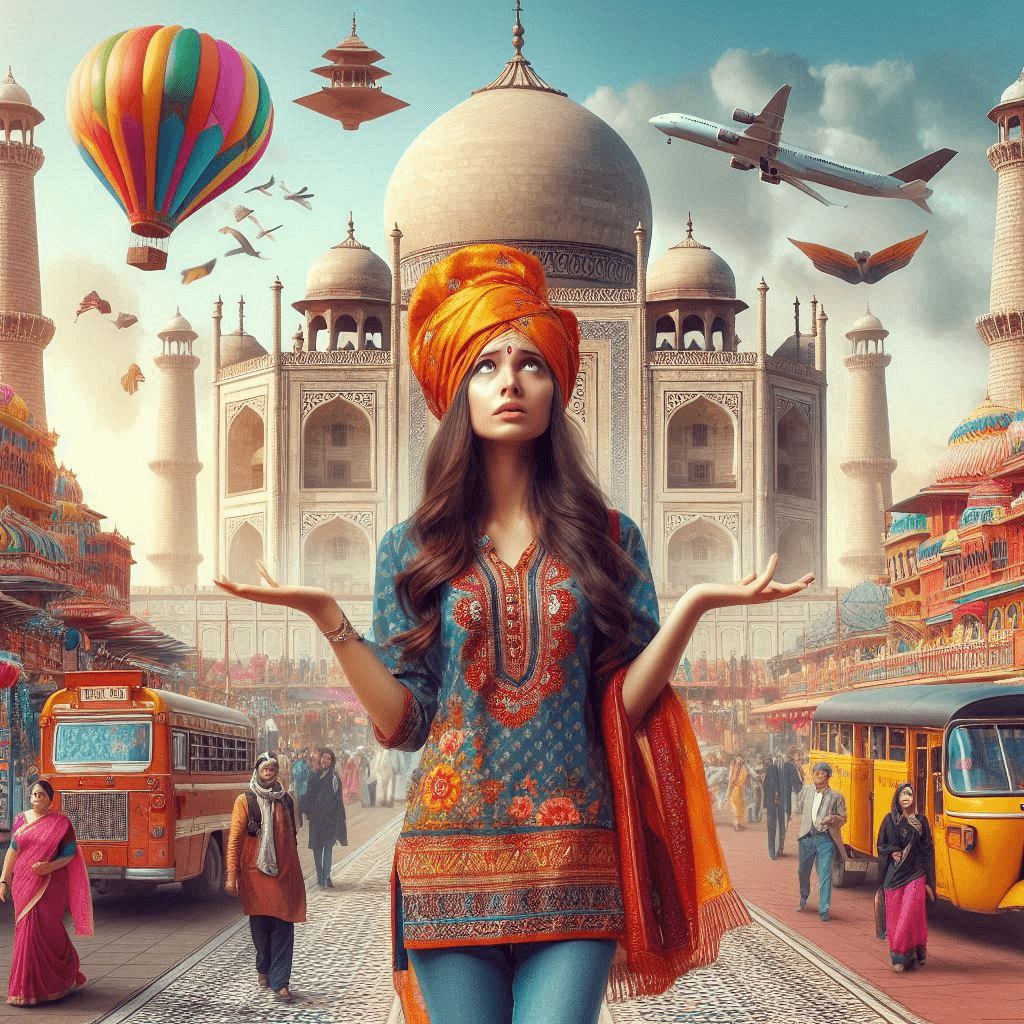
🇮🇳 India is a vibrant, diverse destination that captivates travelers with its rich history, stunning landscapes, and warm hospitality. To help you plan a rewarding trip and move past common misconceptions, here’s a breakdown of the top 20 myths about India, packed with practical insights for a smooth and enjoyable journey.
🗺️ Jump to a Myth
1 Everyone speaks Hindi
2 All food is spicy
3 All about poverty
4 Women have few rights
5 Not safe for solo travelers
6 Traffic & transport chaos
7 Hygiene is poor everywhere
8 Only ancient temples
9 Cows rule the streets
10 Everyone is vegetarian
11 Haggling expected everywhere
12 No public affection allowed
13 Photography is forbidden
14 Tipping not expected
15 Everyone wears traditional dress
16 Monolithic culture
17 No western toilets
18 Bargaining is a scam
19 Monsoon = constant rain
20 Must know Hindi to enjoy India
🗣️ Language & Culture
Myth 1
Everyone speaks Hindi
🗣️✅ Reality
India is a linguistic mosaic with 22 official languages and over 1,600 dialects. Hindi is common, especially in the north, but English is used in major cities, as well as tourist hubs like Jaipur and Goa. You’ll find English signage at airports, hotels, and major attractions, making communication easy.
Myth 16
India has a monolithic culture
🎨✅ Reality
India’s diversity is staggering—each state has unique languages, festivals, and cuisines. Tamil Nadu’s Dravidian culture differs from Rajasthan’s Rajput heritage.
Explore regional festivals like Diwali in Delhi or Pongal in Chennai for authentic experiences. Ask locals about their traditions for deeper insights.
Myth 20
You need to know Hindi to have a good time
😊✅ Reality
English, smiles, and gestures go a long way. Indians are warm and eager to help, especially in tourist areas like Leh or Pondicherry.
Download translation apps like Google Translate for offline use. Locals appreciate efforts to say basic phrases, enhancing your connection.
Myth 15
Everyone wears traditional clothing
👗✅ Reality
You’ll see sarees and kurtas alongside jeans and t-shirts, especially in cities like Pune or Ahmedabad. Traditional attire is common at festivals or religious sites.
Pack modest clothing for temples (cover shoulders and knees). Lightweight kurtas are comfortable and blend in well.
🍛 Food & Drink
Myth 2
All food is spicy
🌶️✅ Reality
Indian cuisine is as diverse as its regions. Spicy curries dominate in places like Rajasthan, but milder options like dal (lentil stew), paneer tikka, or South Indian dosas are widely available. Coastal areas like Kerala offer fresh seafood with subtle flavors.
Ask restaurants to adjust spice levels or try dishes labeled “mild” or “non-spicy.” Popular chains like Haldiram’s or local eateries in tourist areas often cater to varied palates.
Myth 10
Everyone is vegetarian
🥩✅ Reality
About 30% of Indians are vegetarian, but meat dishes like butter chicken, biryani, or Goan fish curry are popular, especially in tourist areas.
Look for “non-veg” restaurants or try tandoori dishes in cities like Lucknow, a hub for kebabs. Jain or pure-veg eateries are great for vegetarians.
Myth 7
Hygiene is poor everywhere
🧼✅ Reality
Hygiene varies, but tourist-friendly restaurants, hotels, and cafes in places like Goa or Jaipur maintain high standards. Street food can be delicious but requires caution.
Carry hand sanitizer and eat at busy stalls where food is freshly prepared. Look for “pure veg” restaurants, often trusted for cleanliness, and drink bottled water (brands like Bisleri).
🛡️ Safety & Travel
Myth 5
It’s not safe for solo travelers
🧳✅ Reality
India is generally safe for solo travelers who stay cautious, as you would anywhere. Cities like Chennai and tourist areas like Rishikesh are welcoming.
Myth 4
Women have few rights
👩💼✅ Reality
India has made strides in gender equality, with women leading in politics, business, and arts. Figures like Indira Gandhi and CEOs like Indra Nooyi are celebrated. However, cultural norms vary, and some rural areas face ongoing challenges.
Female travelers should feel confident but respect local customs—dress modestly at religious sites like temples in Madurai or mosques in Hyderabad.
Myth 12
Public displays of affection are frowned upon
💑✅ Reality
Holding hands or a quick hug is generally fine in major urban areas or tourist spots like Jaisalmer. Overt displays may draw attention in conservative regions.
Gauge the setting—be discreet in rural or religious areas like Haridwar to respect local norms.
Myth 13
Photography is forbidden everywhere
📷✅ Reality
Photography is allowed at most tourist sites, but religious places like Gurudwaras or temples may have restrictions.
Always ask before photographing people, especially sadhus (holy men) or at sacred sites like the Golden Temple. Drones are regulated—check permissions for places like Hampi.
🚂 Getting Around
Myth 6
Traffic is chaotic and public transport is unreliable
🚦✅ Reality
India’s traffic, especially in cities like Delhi or Kolkata, can feel overwhelming with honking rickshaws and bustling streets, but it’s part of the adventure. Trains, like the Shatabdi Express, connect major cities and are reliable, though delays can happen.
🚗 Transport |
Best For |
Book / Use |
|---|---|---|
Train (Shatabdi / Rajdhani) |
Long intercity journeys |
|
Intercity Bus |
Budget travel between cities |
|
Ola / Uber |
City rides, safe & metered |
|
Auto-rickshaw |
Short local hops |
Hail on street or use Ola Auto |
Flight |
Very long distances |
🏙️ Society & Economy
Myth 3
India is all about poverty and beggars
🏙️✅ Reality
India is a dynamic, fast-growing economy with modern cities, tech hubs, and a thriving middle class. You’ll see luxury malls in Gurugram, skyscrapers in Mumbai, and heritage hotels in Udaipur alongside traditional markets. Poverty exists, but it’s not the full picture.
Be prepared for street vendors or beggars in tourist spots like Agra or Varanasi.
Myth 9
Cows rule the streets
🐄✅ Reality
Cows are revered in Hinduism and often roam freely, especially in smaller towns like Pushkar or Varanasi. They’re harmless but can cause traffic jams.
Be mindful when walking or driving, and avoid startling them. It’s a unique cultural experience—snap a photo but keep a respectful distance.
🛍️ Shopping & Money
Myth 11
Haggling is expected everywhere
💬✅ Reality
Bargaining is common in markets like Delhi’s Chandni Chowk or Mumbai’s Colaba Causeway, but fixed-price shops (like D-Mart or malls) don’t negotiate.
Start at half the quoted price in markets and settle around 60-70%. Stay polite, and walk away if the price feels unfair—it often prompts a better offer.
Myth 18
Bargaining is a scam
🤝✅ Reality
Bargaining is a cultural norm in markets, not a scam. It’s a friendly negotiation to reach a fair price.
Research typical prices (e.g., ₹200-300 for a scarf in Jaipur) via travel blogs or ask locals. Be confident but respectful, and enjoy the interaction.
Myth 14
Tipping is not expected
💵✅ Reality
Tipping isn’t mandatory but is appreciated in restaurants (5-10% for good service) and for drivers or guides.
In tourist areas like Agra or Kochi, small tips (₹50-100) for porters or rickshaw drivers go a long way. Check if service charges are included in bills.
💵 Who |
Suggested Tip |
Notes |
|---|---|---|
Restaurant server |
5–10% of bill |
Check if service charge already included |
Tour guide |
₹200–500 per day |
Higher for excellent service |
Taxi / Ola / Uber driver |
₹20–50 per ride |
Optional but appreciated |
Porter / hotel staff |
₹50–100 per bag |
Standard in tourist areas |
Rickshaw driver |
₹10–20 extra |
Rounding up works too |
🏯 Experiences & Attractions
Myth 8
India is only about ancient temples
🏖️✅ Reality
While temples like Khajuraho or Meenakshi in Madurai are iconic, India offers much more. Relax on Goa’s beaches, trek in Himachal’s Himalayas, explore Mumbai’s nightlife, or visit modern art galleries in Delhi.
Plan a diverse itinerary—pair a visit to the Taj Mahal with a backwater cruise in Kerala or a safari in Ranthambore National Park.
Myth 19
Monsoon season means constant rain
🌧️✅ Reality
The monsoon (June-September) brings heavy showers, but it’s not nonstop rain. It transforms places like Munnar or Meghalaya into lush, green paradises.
Pack a raincoat and visit during the shoulder season (July-August) for fewer crowds and vibrant scenery. Avoid flood-prone areas like low-lying parts of Mumbai.
Myth 17
Western toilets are rare
🚽✅ Reality
Western-style toilets are standard in hotels, malls, and tourist spots like Udaipur’s City Palace. Squat toilets are common in rural areas or budget restrooms.
Carry tissues, as toilet paper may not always be available. Look for “pay-and-use” restrooms in cities for cleaner facilities.
📌 Key Takeaways
🍛
Food
Huge variety from mild to spicy. Always ask to adjust heat levels. Bottled water preferred.
🛍️
Shopping
Haggle at bazaars; don’t in malls. Start at 50% of asking price.
🧼
Hygiene
Carry sanitizer. Eat at busy stalls. Stick to bottled water.
🙏
Respect
Cover up at religious sites. Ask before photographing. Tip generously.
☕ Find our tips useful? Consider buying us a chai to support us!
Your support helps us keep India Travel Tips free & up-to-date