

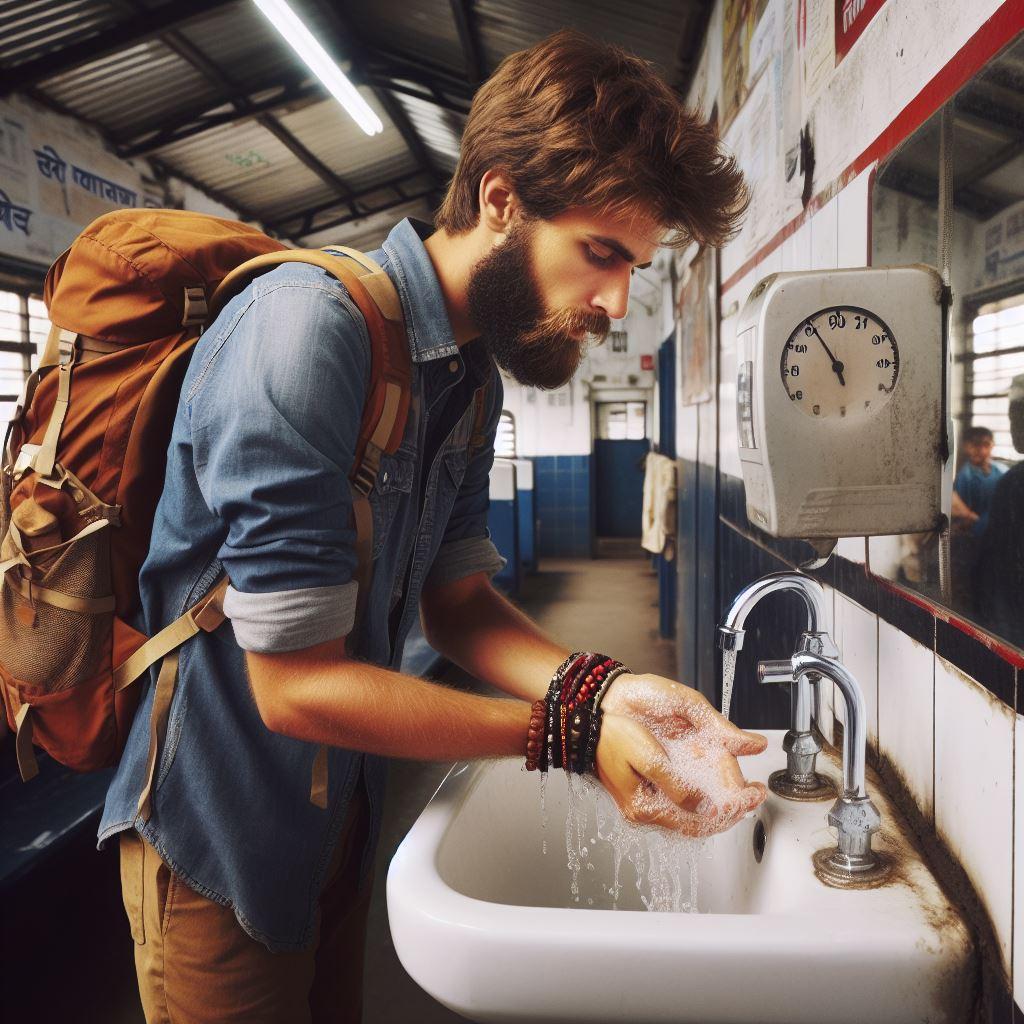
India’s diverse landscapes and vibrant culture are a delight to explore, but restroom facilities can vary widely. This guide covers everything you need to know about restroom types, availability, etiquette, and practical tips to ensure a hassle-free experience.
🏷️ Restroom Terminology & Types
In India, restrooms are referred to as toilets, bathrooms, or washrooms. These terms are used interchangeably, so don’t be confused by signage.
Most restrooms are gender-segregated, marked as “Men” or “Women.” Some modern facilities in metro cities may offer dedicated spaces for transgender individuals, though these are rare.
Toilet Styles
Asian / Indian-Style (Squat Toilet)
The most common type, especially in public and rural areas. These require squatting and may feel unfamiliar to first-time visitors. Practice good balance and wear comfortable, non-slippery shoes.
Western-Style (Seated Toilet)
Found in luxury hotels, airports, upscale restaurants, and some urban public facilities. These are more familiar to international travelers.
Accessible Toilets
Limited to high-end hotels, major airports, and select malls. Always check with the establishment in advance if you require accessibility features.
Squat toilets are considered more hygienic by many locals due to minimal contact. They’re also water-efficient, aligning with India’s focus on resource conservation.
🚿 Washing Options
Washing facilities in India vary depending on the location and type of establishment:
📍 Location |
🚿 What’s Available |
🧻 Toilet Paper? |
|---|---|---|
Public Restrooms & Fuel Stations |
Bucket and plastic mug (lota) for water-based cleaning |
❌ Rarely available |
Mid-Range Restaurants, Malls & Hotels |
Health faucet (handheld bidet spray) or fixed spray nozzle |
⚠️ Sometimes |
Luxury Hotels & Airports |
Health faucets + toilet paper + liquid soap + hand dryers |
✅ Yes |
Always check the faucet or spray functionality before use. If water isn’t available, ask the attendant for a bucket and mug. Carry pocket tissues as a backup.
📍 Restroom Availability
India’s restroom infrastructure is improving, but challenges remain due to the country’s large population and varying standards of maintenance.
Found in urban areas, tourist sites, and near major landmarks like the Taj Mahal or India Gate. However, cleanliness can be inconsistent due to high usage. Use apps like Google Maps or Toilet Finder to locate nearby facilities.
🔄 Alternative Options
Hotels
3-star, 4-star, or 5-star hotels (e.g., Taj, Oberoi, or Marriott) usually have clean restrooms near the lobby. Politely ask staff for access, even if you’re not a guest.
Shopping Malls
Large malls in cities offer clean, modern restrooms — a reliable go-to in urban areas.
Restaurants
Mid-range to high-end restaurants (e.g., Indian Accent or chain cafes like Barista) provide restrooms for customers. A small purchase, like a coffee, often grants access.
Fuel Stations
Major brands like Shell, Jio BP, or Indian Oil have restrooms, especially along highways. These are basic but functional.
Many Indians rely on these alternatives due to limited public facilities, so don’t hesitate to ask locals for recommendations — they’re often happy to guide you.
Popular tourist destinations like Jaipur, Goa, or Kerala’s backwaters may have paid public toilets (Sulabh complexes) that are cleaner and better maintained.
🚆 Restroom Access During Travel
Traveling across India involves various modes of transport, each with its own restroom considerations:
Trains Indian Railways
Trains like Rajdhani, Shatabdi, or Vande Bharat have both Indian-style and Western-style toilets. Cleanliness varies, with AC coaches generally better maintained. Carry sanitizer and tissues, as soap and toilet paper may not be available.
Buses
Most buses, including state-run and private ones, lack onboard restrooms. Stops at highway dhabas (roadside eateries), fuel stations, or toll plazas are your best bet. If urgent, politely ask the driver to stop at a rest area.
Airports Clean & Reliable
Major airports have clean, well-equipped restrooms with Western-style toilets, toilet paper, and soap. Smaller airports may have basic facilities but are generally reliable.
Flights
Domestic and international flights within India have standard airplane restrooms, though space can be tight on budget carriers.
For road trips, plan restroom breaks around major towns or tourist stops. Apps like Highway Delite can help locate clean facilities along highways.
✅ Checklist for Public Restrooms
- 💰 Charges: Many public restrooms charge a small fee (INR 5–20, roughly $0.06–$0.25 USD). Keep small change handy, as attendants may not have change for larger notes.
- ⏳ Queues: Expect lines at busy locations like railway stations, bus terminals, or tourist hotspots (e.g., Red Fort or Gateway of India). Women’s restrooms often have longer waits.
- 🚿 Faucet Check: Always verify that the health faucet or tap works. Non-functional fixtures are common in older facilities.
- 💧 Water Backup: If water isn’t available, request a bucket and mug from the attendant. Some facilities may charge extra for this.
- 🧹 Cleanliness: Standards vary widely. Urban facilities are generally cleaner, while rural ones may require extra caution. Avoid placing bags on the floor to prevent contamination.
🎒 Essential Restroom Kit
Prepare a compact hygiene kit to stay comfortable:
Pack your kit in a small ziplock bag to keep it organized and waterproof. Refill supplies at local stores as needed.
🙏 Cultural Etiquette & Tips
Don’t Flush Toilet Paper
Avoid flushing toilet paper in Indian-style toilets, as plumbing systems may clog. Use the provided bin for disposal.
Shoes Off in Some Places
In some rural or temple restrooms, you may need to remove shoes. Wear slip-on footwear for convenience.
Tip the Attendant
If an attendant is present, a small tip (INR 10–20) is appreciated for maintaining clean facilities.
Rural & Offbeat Areas
Facilities in villages or offbeat destinations (e.g., Spiti Valley or rural Rajasthan) may be basic or open-air. Carry extra supplies and be prepared for minimal privacy.
🗣️ Useful Hindi Phrases
Locals are generally helpful, even with language barriers. Don’t hesitate to use these phrases — a smile goes a long way!
🔒 Safety & Comfort Tips
Solo female travelers should prioritize restrooms in hotels, malls, or reputed restaurants for safety and cleanliness. Avoid poorly lit or isolated public facilities, especially at night.
India’s tropical climate can increase the risk of infections. Use sanitizer after every restroom visit and avoid touching surfaces unnecessarily.
During major events like Diwali, Holi, or Kumbh Mela, public restrooms can be overcrowded. Plan restroom stops early in the day or use hotel facilities near event venues.
Some eco-conscious destinations (e.g., Auroville or parts of Himachal Pradesh) promote composting toilets. Familiarize yourself with their use to respect local sustainability efforts.
🌟 Final Thoughts — With a bit of preparation, navigating restrooms in India is manageable and shouldn’t deter you from enjoying the country’s rich culture, food, and landscapes. By carrying a hygiene kit, planning restroom stops, and understanding local options, you’ll stay comfortable and confident throughout your journey. Happy travels!
Your support helps us keep India Travel Tips free & up-to-date