

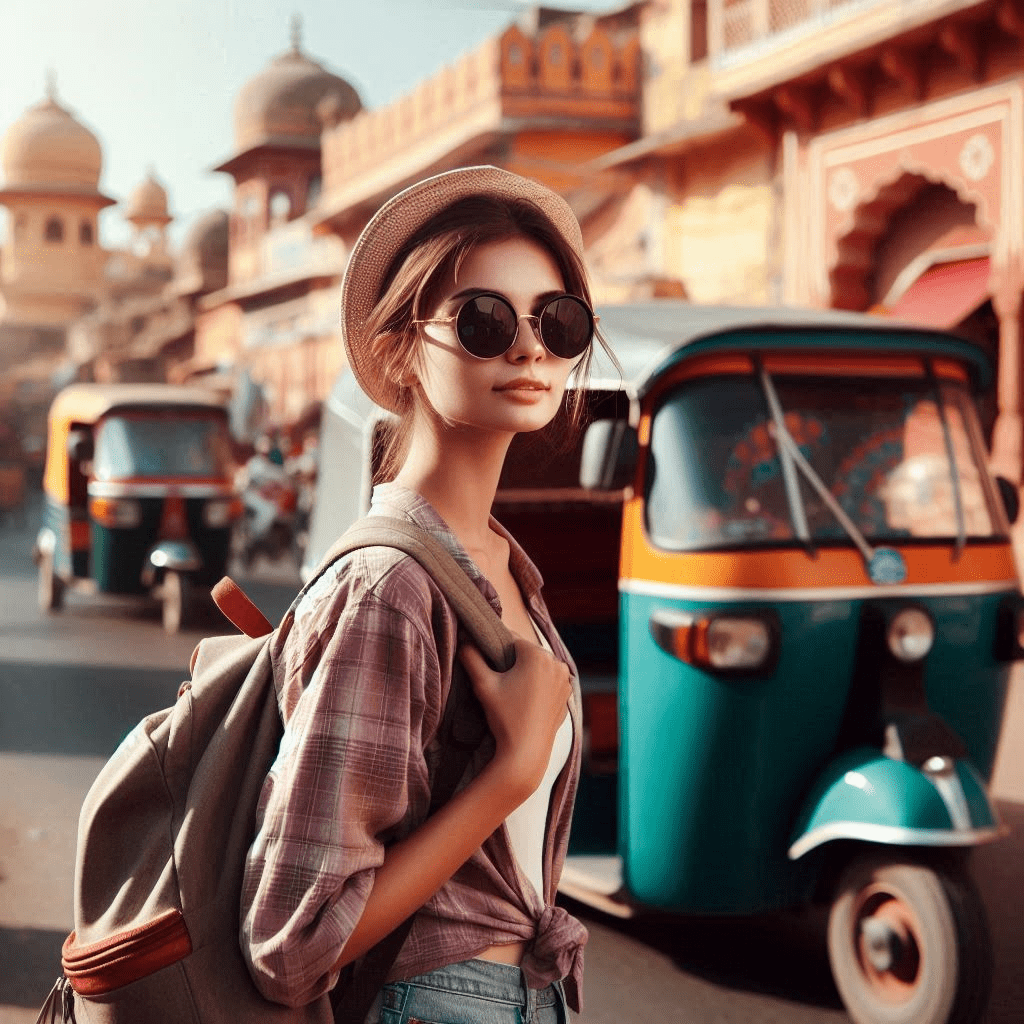
India is a vibrant, diverse destination with rich culture, stunning landscapes, and warm hospitality. For solo female travelers, it’s an exciting adventure, but it comes with unique challenges. This guide offers practical tips on safety, cultural awareness, and etiquette to ensure a safe and enjoyable trip, packed with insights to help you navigate India confidently.
📋 What’s in this guide
- 🔒 Safety Tips — Accommodation, Transport, Walking, Belongings, Scams, Hygiene, Pepper Spray, Connectivity
- 🌸 Awareness & Etiquette — Dress, Cultural Sensitivity, Social Interactions
- 🗺️ Solo Activities — Group Tours, Health Precautions, Confident Exploration
- 💬 Final Thoughts
Safety Tips
Accommodation
Choose reputable accommodations like well-reviewed guesthouses, hostels, or hotels in safe, well-lit areas. Platforms like Booking.com or Airbnb often highlight female-friendly stays. Check for 24/7 reception and secure locks. Popular chains like Taj, Oberoi, or budget-friendly Zostel are reliable options. For extra peace of mind, look for properties with female staff or women-only dorms in hostels.
Walking
Stick to busy, well-lit streets, especially after dark. Avoid shortcuts through alleys or isolated areas. Use Google Maps to plan routes and share your live location with a trusted contact. In cities like Delhi or Jaipur, popular tourist areas like Connaught Place or Hawa Mahal are generally safe but stay vigilant during peak hours.
Personal Belongings
Carry a photocopy of your passport, visa, and travel insurance, storing originals in a hotel safe. Use a crossbody bag with a zipper to secure valuables and avoid carrying large amounts of cash. Money belts or hidden pouches are great for crowded places like Chandni Chowk in Delhi or Colaba in Mumbai.
Personal Hygiene
Public restrooms in India may lack soap, toilet paper, or running water, especially in rural areas. Carry hand sanitizer, wet wipes, and tissues. Portable toilet seat covers are handy for added hygiene. In urban areas, cafes like Starbucks or Costa Coffee often have cleaner restrooms for customers.
Transport
Pre-book taxis through trusted apps like Uber, Ola, or Meru Cabs, especially for airport pickups or late-night travel. Avoid unmarked taxis or rickshaws, and always share your ride details with a friend. For public transport, opt for women-only compartments on trains, metros (e.g., Delhi Metro), or buses in cities like Mumbai or Chennai for added comfort. If traveling by train, book the upper berth in 2AC or 3AC classes for privacy and safety.
For long-distance travel, women’s compartments on trains like the Rajdhani or Shatabdi Express are a secure and social option. Book tickets early via IRCTC for confirmed seats.
⚠️ Scams
Scams targeting tourists are common, especially in tourist hubs like Agra or Varanasi. Be wary of overly friendly strangers offering unsolicited help, fake tour guides, or “free” gifts that lead to payment demands. Research common scams, like fake ticket sellers at train stations or overpriced rickshaw rides. Always verify credentials of guides through platforms like GetYourGuide or Viator.
🌶️ Pepper Spray
Pepper spray is legal in India for self-defense and requires no license. Carry a small canister (available at pharmacies or online) for peace of mind, especially in crowded areas or during late-night outings. Practice using it beforehand to ensure confidence.
To avoid complications, it’s generally safer to purchase pepper spray in India rather than bringing it through international airports. Pepper spray is widely available in India at pharmacies, online platforms like Amazon India or Flipkart, or certain stores. Popular brands like Knockout or Sabre cost around ₹300–700 ($4–10 USD) and are compact for easy carry. No license or documentation is required to buy or carry it for self-defense, as confirmed by Indian legal guidelines. Always check the canister’s size (small, 50–100ml cans are ideal) and ensure it’s stored discreetly but accessibly.
📡 Stay Connected & Share Your Plans
📋 Action |
💡 How to do it |
🔗 Tool / App |
|---|---|---|
Get a local SIM |
Airports and local shops sell SIMs; bring a passport photo & visa copy |
|
Share your itinerary |
Inform a friend/family of your accommodation & travel plans; check in regularly |
WhatsApp,
Email,
Find My Friends
|
Live location sharing |
Share real-time location with trusted contacts |
Find My Friends, Google Maps Live |
Register with embassy |
Sign up for travel alerts from your country’s embassy or consulate in India |
Your country’s embassy website |
Awareness & Etiquette
Dress Modestly
India is modernizing, but modest clothing is recommended, especially in rural areas or religious sites. Opt for outfits that cover shoulders and knees, like kurtas, palazzo pants, or maxi dresses. Avoid tight or revealing clothing to blend in and avoid unwanted attention. In cities like Bangalore or Mumbai, casual Western wear like jeans and tops is fine, but carry a scarf for versatility. At temples or mosques (e.g., Jama Masjid in Delhi), cover your head if required.
Cultural Sensitivity
India’s diversity means varied customs. Respect religious practices: remove shoes before entering temples, cover your head in Sikh gurudwaras, and dress conservatively at mosques. Ask permission before photographing people, especially at sacred sites like Varanasi’s ghats. Avoid public displays of affection, as they’re uncommon. A polite “namaste” with folded hands or a handshake works for greetings.
Social Interactions
Staring is common, especially in smaller towns, but it’s usually curiosity, not hostility. A polite smile or “hello” can ease awkwardness. Be cautious of persistent attention; firmly say “no” to unwanted advances and move to a crowded area. In rural areas, locals may ask personal questions (e.g., about marital status)—it’s often harmless curiosity, but redirect the conversation if uncomfortable.
Buy a few lightweight cotton kurtas from local markets for comfort and style — they’re affordable, breathable, and culturally appropriate everywhere.
🕌 Religious Site Etiquette at a Glance
🏛️ Place of Worship |
👟 Shoes |
🧣 Head Cover |
👚 Dress Code |
|---|---|---|---|
Hindu Temple |
Remove |
Optional (some require) |
Cover shoulders & knees |
Sikh Gurudwara |
Remove |
✅ Required |
Modest; cover arms & legs |
Mosque |
Remove |
✅ Required |
Conservative; full coverage |
Buddhist Monastery |
Remove |
Not usually required |
Modest and respectful |
Jain Temple |
Remove |
Sometimes required |
Cover shoulders & knees; no leather |
Solo Activities
Group Tours & Activities
Join organized tours for safety and camaraderie. Companies like Intrepid Travel or G Adventures offer women-only tours to destinations like Rajasthan or Kerala. Cooking classes (e.g., in Udaipur or Goa) or yoga retreats in Rishikesh are great ways to meet travelers and immerse in local culture. Festivals like Diwali or Holi are vibrant but stick to group events in public spaces for safety.
Travel with Confidence
Explore solo during the day, but stay alert. Trust your instincts—if a place feels off, leave. Popular solo-friendly destinations include Udaipur’s serene lakes, Goa’s beaches, or McLeod Ganj’s spiritual vibe. Carry a charged phone and emergency numbers (e.g., 112 for police). Engage with locals at cafes or markets for authentic experiences, but maintain boundaries.
Health Precautions
India’s climate and food can be intense. Carry basic medications for stomach upsets (e.g., Imodium) and mosquito repellent for tropical areas like Kerala. Visit a travel clinic before your trip for vaccinations (e.g., typhoid, hepatitis A). Avoid tap water; stick to bottled or filtered water, even for brushing teeth.
Check platforms like Tripadvisor or local tourism boards for women-led tour groups or female guides in cities like Jaipur or Kochi.
📞 Emergency Numbers in India
📋 Service |
📞 Number |
📝 Notes |
|---|---|---|
🚨 Police |
112 |
All-India emergency number |
🚑 Ambulance |
108 |
Free service in most states |
🔥 Fire |
101 |
|
👩 Women’s Helpline |
1091 |
Dedicated women’s safety line |
🗺️ Tourist Helpline |
1800-111-363 |
Ministry of Tourism, toll-free |
🎒 Solo Female Traveler Essentials Checklist
- Passport photocopy + visa copy (separate from originals)
- Crossbody bag with zipper & money belt
- Local SIM card (Airtel / Jio / Vodafone)
- Lightweight cotton kurtas or modest clothing
- Scarf / dupatta (temple cover & sun protection)
- Hand sanitizer, wet wipes & tissues
- Pepper spray (buy locally in India)
- Basic medications: Imodium, paracetamol, mosquito repellent
- Vaccinations completed before travel (typhoid, hepatitis A)
- Ride-hailing apps installed: Uber, Ola
- Train tickets booked via IRCTC (upper berth, 2AC/3AC)
- Emergency numbers saved: 112, 1091
💬 Final Thoughts
Solo female travel in India is rewarding with the right preparation. Embrace the chaos of bustling markets, the serenity of Himalayan towns, and the warmth of local hospitality. By staying cautious, culturally respectful, and confident, you’ll create unforgettable memories. Plan ahead, trust your instincts, and dive into India’s vibrant tapestry!
Your support helps us keep India Travel Tips free & up-to-date