

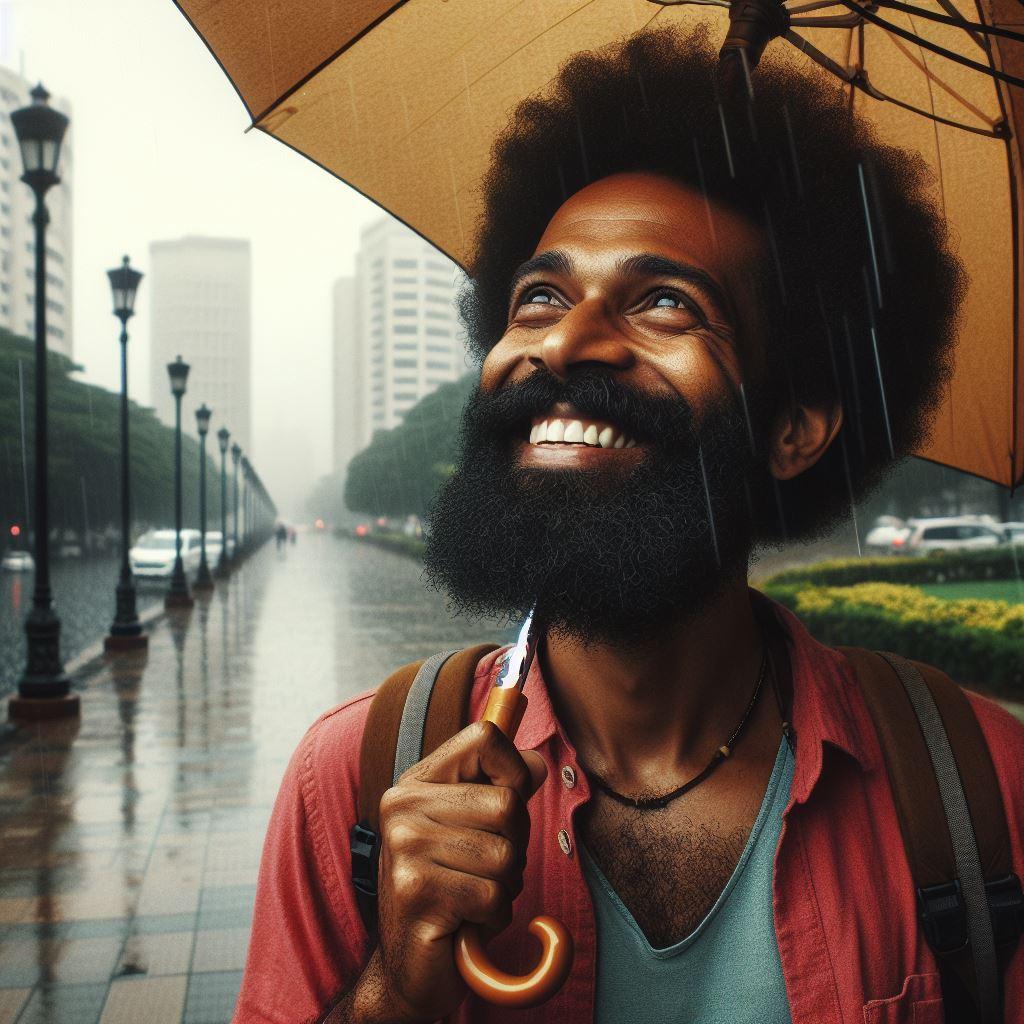
🌏 India’s vast landscapes, vibrant cultures, and diverse climates make it a year-round destination. From snow-capped Himalayan peaks to sun-soaked beaches, the country offers something for every traveler. This guide breaks down India’s seasons, regional variations, and practical tips to help you plan an unforgettable trip.
🗓️ India’s Seasons: When to Go and What to Expect
Northern plains including Delhi and Jaipur enjoy cooler daytime temperatures, while nights can dip below 5 °C (41 °F). In the Himalayas, expect snow and freezing temperatures at higher altitudes.
Summers can be intense in cities like Delhi, Agra, and Jaipur. Coastal areas like Mumbai and Chennai stay humid, while hill stations offer cooler escapes.
Heavy rainfall transforms India, particularly along the west coast (Mumbai, Goa, Kerala) and central regions. Expect flooding and landslides, but the greenery is breathtaking.
As rains fade, India enjoys pleasant temperatures, clear skies, and fewer crowds. This shoulder season is ideal for exploring diverse destinations.
❄️ Winter (December – February) — Best Places & Tips
🏜️ Rajasthan
- Explore Jaipur’s palaces, Jodhpur’s forts, or Udaipur’s lakes without the summer heat.
- Winter festivals like the Pushkar Camel Fair add colour.
🏖️ Goa
- Perfect for beach lovers — sunny days and cool evenings.
- Attend the Sunburn Festival for music and vibes.
🌿 Kerala
- Cruise the backwaters in Alleppey or explore Munnar’s tea plantations in pleasant weather.
- Pack layers for chilly mornings and evenings, especially in North India.
- Book accommodations early — winter is peak tourist season.
- Try local winter delicacies like gajar ka halwa (carrot pudding) or sarson ka saag (mustard greens curry).
☀️ Summer (March – May) — Best Places & Tips
🏔️ Hill Stations
- Head to Shimla, Manali, or Darjeeling for crisp air and stunning views.
- Trekking in Himachal Pradesh or Uttarakhand is ideal.
🌊 Coastal Getaways
- Visit Puducherry or Gokarna for beach vibes with fewer crowds than Goa.
🎨 Cultural Festivals
- Experience Holi, the festival of colours, in March — especially in Mathura or Vrindavan.
- Stay hydrated and avoid outdoor activities between noon and 3 PM.
- Opt for light, breathable clothing and carry sunscreen.
- Explore indoor attractions like museums in Delhi or Bengaluru during peak heat.
🌧️ Monsoon (June – September) — Best Places & Tips
Expect 200–300 cm of rain in places like Cherrapunji, one of the wettest spots on Earth!
🌿 Kerala
- The rain enhances the beauty of Munnar’s tea estates and Wayanad’s forests.
- Try Ayurvedic treatments during this rejuvenating season.
🏜️ Rajasthan
- The desert blooms and Udaipur’s lakes are at their fullest.
- Attend the Teej festival for cultural immersion.
🌉 Meghalaya
- Witness living root bridges and waterfalls in full glory.
- Carry waterproof gear and sturdy shoes to navigate wet terrain.
- Check weather updates for potential disruptions, especially in hilly areas.
- Savor monsoon snacks like pakoras (fritters) and chai at local stalls.
🍂 Post-Monsoon (October – November) — Best Places & Tips
🕌 North India
- Visit the Taj Mahal in Agra or Varanasi’s ghats in comfortable weather.
- Diwali, the festival of lights, lights up October or November.
🏔️ Ladakh
- Perfect for trekking and exploring monasteries before winter snow sets in.
🏛️ South India
- Explore Hampi’s ruins or Chennai’s cultural scene without the monsoon humidity.
- Book flights and trains early — this is a popular time for domestic travelers.
- Pack a mix of light and warm clothing for varying temperatures.
- Attend local Diwali celebrations for a magical experience.
🗺️ Regional Climates: Where to Go
India’s geography creates unique climates, so your destination matters as much as the season.
Region |
Climate & Temp |
Best Time |
Top Picks |
|---|---|---|---|
🏔️ Himalayas Ladakh, Himachal Pradesh, Uttarakhand |
Snow year-round at higher altitudes |
☀️ May–Jun (trekking) ❄️ Dec–Feb (snow) |
Leh, Manali, Spiti Valley |
🌊 Coastal Regions Goa, Kerala, Tamil Nadu |
Warm & humid · 25–35 °C (77–95 °F) |
🍂 Oct–Nov & ❄️ Dec–Feb |
Beaches, water sports |
🏜️ Thar Desert Rajasthan |
Scorching summers (up to 50 °C) · chilly winters (5–20 °C) |
❄️ Oct–Feb |
Jaisalmer desert camping |
🌴 South India Karnataka, Andhra Pradesh, Tamil Nadu |
Tropical · 25–35 °C year-round |
🍂 Oct–Mar (avoid peak monsoon) |
Madurai temples, Bandipur National Park |
🌿 Northeast India Assam, Meghalaya, Arunachal Pradesh |
Lush & rainy, especially monsoon |
🍂 Oct–Nov |
Kaziranga National Park wildlife |
✈️ ITT Tips
Monsoon Magic
Don’t skip monsoon season entirely. The rains bring out vibrant festivals like Onam in Kerala or Ganesh Chaturthi in Maharashtra. Plus, hotels often offer discounts.
Festivals Galore
India’s calendar is packed with cultural events. Plan around major festivals like Diwali, Holi, or Durga Puja for a deeper cultural experience.
Transportation
Book domestic flights or trains via IRCTC for intercity travel. Monsoon may disrupt road travel, so check routes in advance.
Local Cuisine
Each season has unique dishes. Try vada pav in Mumbai during monsoon or undhiyu in Gujarat during winter.
Sustainable Travel
Opt for eco-friendly homestays in places like Coorg or Spiti to support local communities.
- ❄️ Winter: Gajar ka halwa (carrot pudding), sarson ka saag (mustard greens curry)
- 🌧️ Monsoon: Pakoras (fritters) with chai · Vada pav in Mumbai
- ❄️ Winter (Gujarat): Undhiyu — a rich mixed-vegetable curry
Your support helps us keep India Travel Tips free & up-to-date