

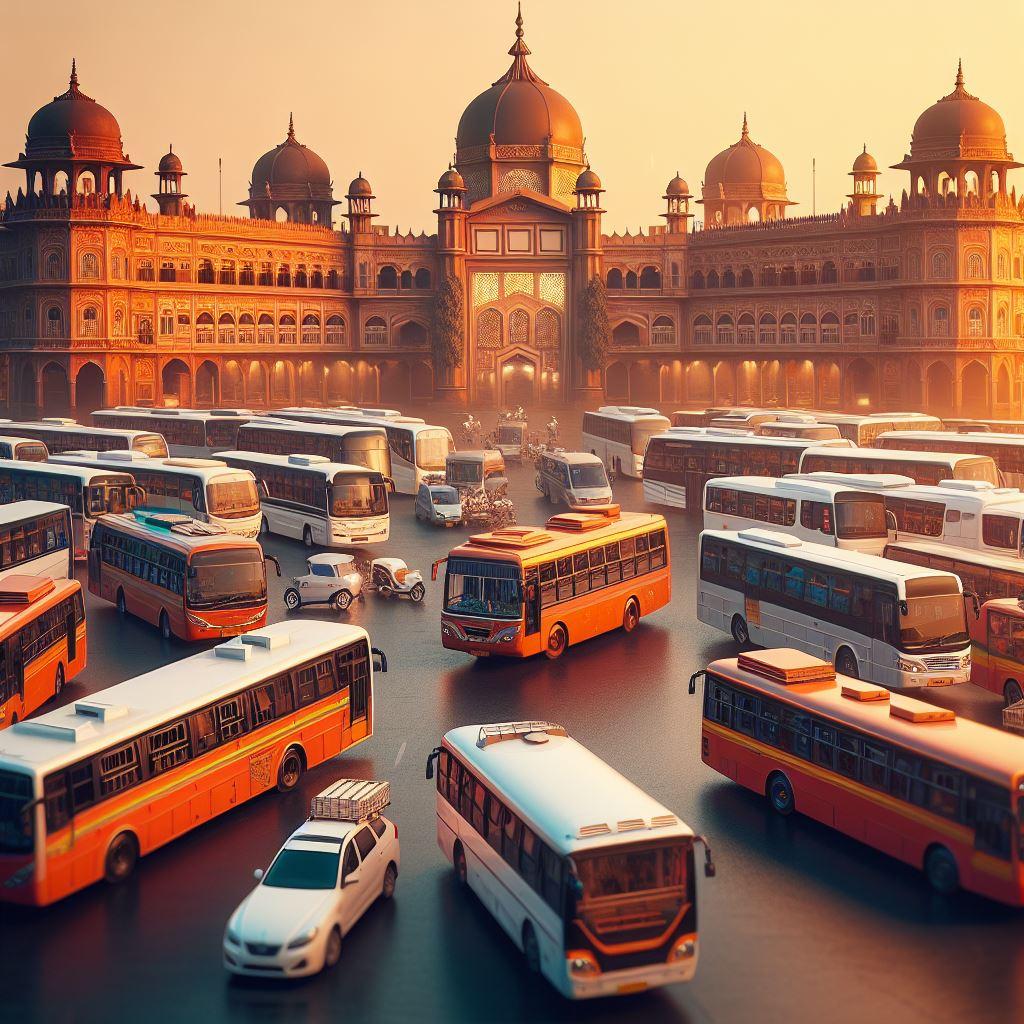
India’s vast bus network is a traveler’s gateway to discovering the country’s vibrant cities, serene villages, and hidden gems. Whether you’re weaving through the chaotic charm of Delhi, chasing sunsets in Rajasthan’s deserts, or exploring the lush backwaters of Kerala, buses offer an affordable, flexible, and authentic way to experience India. This guide breaks down everything you need to know about traveling by bus in India, from choosing between state-run and private operators to picking the right bus type for your journey. We’ve packed it with practical insights and tips to make your trip smooth, safe, and memorable.
🏛️ State Transport Corporations vs. Private Bus Companies
India’s bus travel options are split between State Transport Corporations (government-run) and Private Bus Companies. Each has its strengths, and your choice depends on your budget, destination, and comfort preferences. Here’s a detailed comparison to help you decide:
- Extensive Network — State-run buses like KSRTC, Haryana Roadways, RSRTC, and TNSTC cover every corner of India. They’re your best bet for reaching offbeat destinations like the tribal villages of Chhattisgarh, hill stations of Himachal Pradesh, or rural hamlets in Uttar Pradesh that trains often skip.
- Budget-Friendly — Fares start as low as ₹50. A 200-km Jaipur–Udaipur journey costs ₹200–300 vs. double on private buses. Fares are stable even during Diwali or Holi.
- Safety & Punctuality — Speed governors (60–80 km/h), extensively trained government drivers, and reliable schedules on popular routes like Mumbai–Pune or Chennai–Bengaluru.
- Wide Class Selection — From basic seaters to premium Volvo AC buses. KSRTC’s Airavat Club Class provides plush seats and AC for long routes like Bengaluru–Hyderabad.
- Premium Tiers Available — Many state corps run Volvo, Scania, or Corona buses for major routes (Delhi–Shimla, Mumbai–Goa), rivaling private operators in comfort but at lower prices.
- Older buses on rural routes may lack charging ports or clean upholstery (e.g. non-AC ordinary in Bihar)
- May not connect distant states efficiently — Kolkata to Mumbai might need multiple transfers
- Fixed boarding/drop-off at major terminals like ISBT Kashmere Gate (Delhi)
- Book via redBus or state portals (ksrtc.in) — some states like Andhra Pradesh offer live bus tracking apps
- Modern Conveniences — Operators like VRL Travels, SRS Travels, and Neeta Tours run newer fleets with Wi-Fi, charging ports, and clean blankets. A Delhi–Manali AC sleeper may include onboard entertainment and water bottles.
- Long-Distance Routes — Excel at connecting major cities across states: Mumbai–Jaipur, Bengaluru–Goa, Delhi–Amritsar. Ideal for cross-country journeys.
- Flexible Pick-up / Drop-off — Multiple boarding points within cities (e.g. Andheri, Borivali, or Thane in Mumbai), unlike fixed state-bus terminals.
- Booking Discounts — Partner with redBus, AbhiBus, and MakeMyTrip. Booking early can save 10–20% on fares.
- Pricier — private AC sleeper Chennai–Bengaluru costs ₹1,200–2,000 vs. ₹500–800 for a state bus
- Delays common on less-regulated routes (30–60 min wait for passengers)
- Some buses skip speed governors — always check reviews for safety records on redBus
- Opt for reputable brands: IntrCity SmartBus, FlixBus, Zingbus, Primo-certified buses — these enforce strict cleanliness, punctuality, and safety standards
🪑 Guide to Bus Categories in India
India’s intercity bus network offers a variety of bus types to suit different budgets, distances, and comfort needs. Here’s a detailed breakdown of the most common categories, with pros, cons, and ideal use cases, plus insights to enhance your travel experience.
👆 Swipe left/right to see full table
Bus Type |
✅ Pros |
❌ Cons |
🎯 Best For |
💡 Insight |
|---|---|---|---|---|
Ordinary Seater |
Cheapest option (₹50–200 for 100–200 km); only option for remote routes like Jaisalmer–Barmer or Madurai–small Tamil Nadu villages |
No reserved seats; crowded during festivals; frequent stops; basic maintenance; limited luggage space |
Budget travel on short routes (2–4 hours) |
Great for day trips like Agra–Mathura or Pune–Lonavala. Expect local flavor — vendors selling chai and snacks at stops! |
Express Semi-Deluxe Seater |
Better cushioning than ordinary buses; fewer stops, faster travel; affordable (₹300–500 for 200–300 km) |
No reserved seats; can still be crowded; limited luggage space |
Upgraded comfort for short-to-medium routes (3–6 hours) |
Ideal for routes like Bengaluru–Mysuru or Jaipur–Ajmer, where speed matters but AC isn’t essential |
Deluxe Seater |
Reserved seating (book in advance); pushback seats for comfort; better-maintained buses; charging points; fewer stops |
Slightly pricier than express buses; may not have AC |
Comfortable travel for short-to-medium distances (4–8 hours) |
Perfect for routes like Delhi–Jaipur or Mumbai–Pune. Book via state portals or redBus for guaranteed seats |
Deluxe Sleeper |
Flat berths for overnight comfort; limited stops; less crowded |
Non-AC, so can be warm in summer; limited amenities |
Overnight journeys (6–12 hours) |
Great for routes like Ahmedabad–Udaipur or Chennai–Coimbatore. Check berth size if you’re tall or need extra space |
AC Seater |
Air-conditioned comfort; reserved seating; charging points, water, Wi-Fi (on some buses); fewer stops; less crowded |
More expensive (₹800–1,500 for 300–500 km); sleeper buses may be better for overnight trips |
Premium travel for longer distances (6–10 hours) |
Ideal for hot regions like Rajasthan or Andhra Pradesh. Routes like Delhi–Chandigarh or Bengaluru–Hyderabad are popular |
AC Sleeper |
AC berths with privacy curtains; amenities (water, charging points, Wi-Fi); reserved seating; most comfortable option |
Highest cost (₹1,200–2,500 for 500–800 km); limited availability on some routes |
Overnight journeys (8–14 hours) |
Perfect for long hauls like Delhi–Manali, Mumbai–Goa, or Bengaluru–Kochi. Choose upper berths for less disturbance |
💡 Smart Booking & Seat Tips
🧳 Additional Tips for Bus Travel in India
🌄 Why Bus Travel in India?
Bus travel in India isn’t just about getting from point A to B — it’s an adventure. You’ll witness the changing landscapes, from the misty Western Ghats to the golden Thar Desert, all while mingling with locals. It’s budget-friendly, flexible, and lets you reach places trains can’t, like the tea estates of Munnar or the forts of Jodhpur. Whether you’re a backpacker chasing authenticity or a family seeking convenience, India’s buses cater to all.
For first-time travelers, start with a short, popular route like Delhi–Jaipur or Chennai–Bengaluru on a state-run Deluxe or private AC bus. It’s a low-risk way to experience India’s bus network before diving into longer or rural journeys.
Your support helps us keep India Travel Tips free & up-to-date