

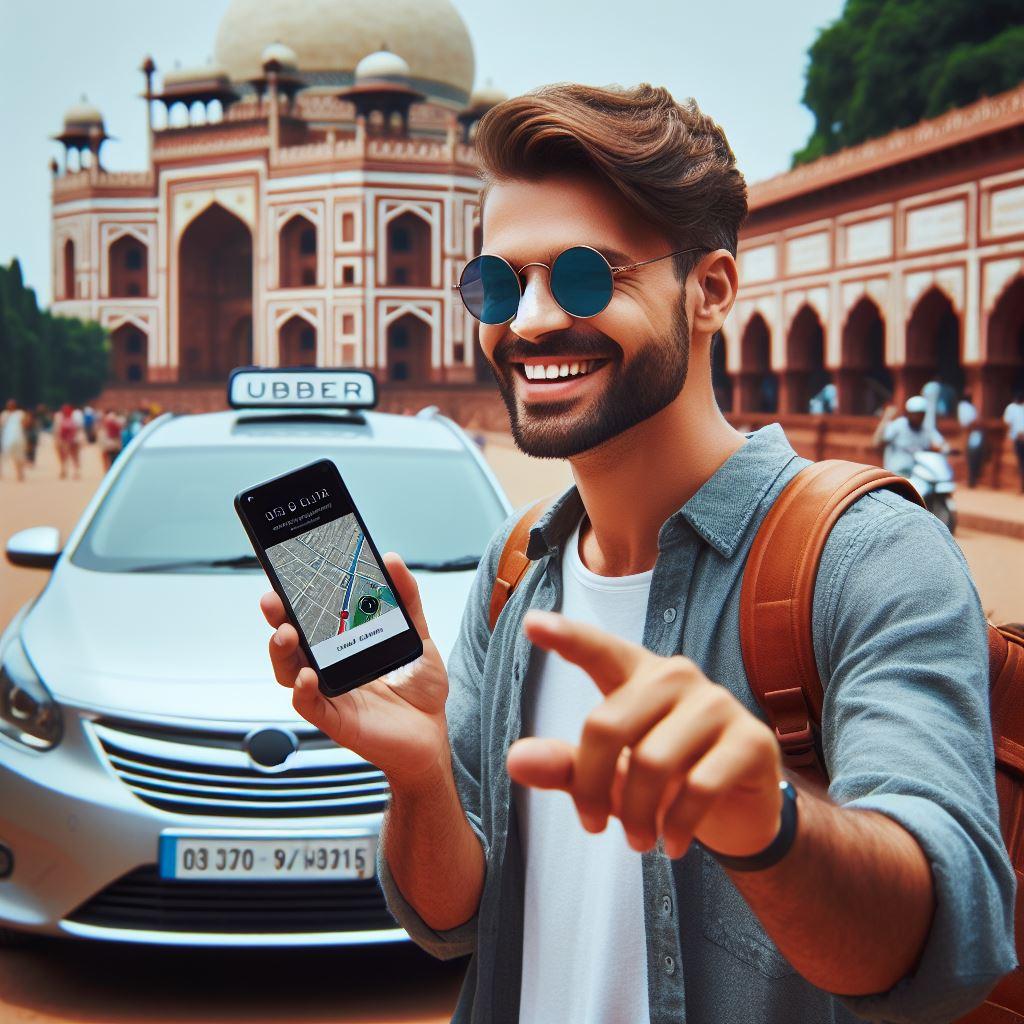
Mastering Ride-Hailing Apps
These apps are a game-changer for reliability and transparency in India. Download them before you arrive — Ola and Rapido are especially popular locally, while Uber works well in major cities.
App |
Best For |
Cities |
Availability |
|---|---|---|---|
🚗 Uber |
International travelers, familiar interface |
Major metros |
Widely Available |
🟢 Ola |
Local favorite, wider coverage, EV options |
Pan India |
Widely Available |
🟡 Rapido |
Bike taxis, beating city traffic fast |
Tier 1 & 2 cities |
Select Cities |
Before hailing a traditional taxi or auto, open the app to check the estimated distance and fare for your route. This gives you a realistic benchmark. For example, a 10 km ride in Delhi might cost around ₹200–300 via app, so aim for that when negotiating offline. Add this to your toolkit for airport transfers too, where overcharging is common.
Many drivers prefer cash to skip app fees or delays in payouts. If the option is available in the app, select it to build goodwill — it might even lead to smoother rides or local tips from the driver.
If the driver takes longer than 5–10 minutes to arrive, cancel and rebook. Some drivers game the system by delaying to trigger surge pricing or earn cancellation fees. To minimize this, book during off-peak hours — avoid 8–10 AM and 5–8 PM in big cities like Mumbai or Bangalore when traffic peaks.
Drivers might ask to cancel the app booking and go direct for the same fare. This skips app safety features like GPS tracking and insurance. Unless you’re in a real hurry (e.g., late-night airport run), say no and book another ride. It’s worth the wait for peace of mind, especially if you’re traveling solo.
Enable safety features like sharing your ride location with a contact. In cities like Kolkata or Chennai, Rapido’s bike options can be faster in traffic — but check helmet availability and weather conditions before booking.
Hailing Traditional Taxis & Autos on the Street
Street hailing is adventurous and often cheaper, but it requires negotiation skills. Autos are ubiquitous in most cities, while yellow-black taxis dominate in places like Mumbai.
Start by telling the driver your destination and mention you know the approximate distance (from Google Maps or an app). Ask for the fare upfront. Bargain firmly — target 10% above the app estimate normally, or up to 20% during peak hours or festivals like Diwali when demand spikes. If they won’t budge, walk away and flag another; there’s always more around.
In theory, many taxis and autos have meters, but rigged ones or detours to rack up charges are common. Mumbai is a standout — most black-and-yellow taxis stick to honest meters. Elsewhere, like Delhi or Bangalore, insist on the meter but cross-check with your phone’s GPS to spot unnecessary loops.
Skip stands at airports, stations, or hotels — they charge premium rates. Hailing on the street usually gets you better deals, as drivers compete more. At busy spots like New Delhi Railway Station, walk a block away to avoid the crowds and inflated prices.
Language can be a barrier — use simple Hindi phrases (see the table below!) or apps like Google Translate. For safety, note the vehicle’s number plate and share it with someone. In southern cities like Hyderabad, electric autos are emerging as eco-friendly, quieter options — ask for “EV auto” if available.
Handy Hindi Phrases for the Road
Situation |
Hindi Phrase |
Meaning |
|---|---|---|
Asking the fare |
Kitna lagega? |
How much will it cost? |
Addressing a male driver |
Bhaiya |
Brother (respectful, softens interactions) |
Asking for the meter |
Meter se chaloge? |
Will you go by meter? |
Too expensive |
Bahut zyada hai |
That’s too much |
Okay / agreed |
Theek hai |
Alright / okay |
Exploring Public Transport: City Buses & Beyond
For budget travelers, buses are a steal — often ₹10–50 per ride — and a great way to experience local life.
It’s the best tool for bus routes, timetables, and stops in cities like Delhi, Mumbai, Bangalore, and Chennai. Enter your start and end points, select the bus option, and it shows real-time info where available. Factor in extra time for crowds and traffic — buses can be packed during rush hours.
Delhi’s Metro is world-class and connects seamlessly with buses — get a Delhi Metro smart card for easy transfers. In smaller cities like Jaipur, state-run buses are reliable for inter-city trips — check apps like RedBus for bookings. Always carry small change, as exact fare is often required, and download offline maps in case of spotty internet.
General Tips for Smooth Travels
A smile and calm attitude go far when negotiating or resolving app glitches. Indians value respect, so starting with “Bhaiya” (brother) for male drivers can soften the interaction.
At major airports (e.g., Mumbai’s Chhatrapati Shivaji or Delhi’s Indira Gandhi), use prepaid taxi booths inside the terminal. Pay upfront for a fixed fare — it’s hassle-free and avoids haggling, though slightly pricier.
India’s traffic is legendary — plan for delays, especially in monsoon season (June–September) when roads flood. Use apps to check live traffic; early mornings or late nights are often smoother.
If you’re eco-conscious, prioritize apps with electric vehicle options (Ola and Uber have them in select cities) or walkable routes via Google Maps.
By following these strategies, you’ll navigate India’s transport like a pro, saving money and gaining authentic experiences. Safe travels — India’s streets are full of surprises!
Your support helps us keep India Travel Tips free & up-to-date